

Blogs
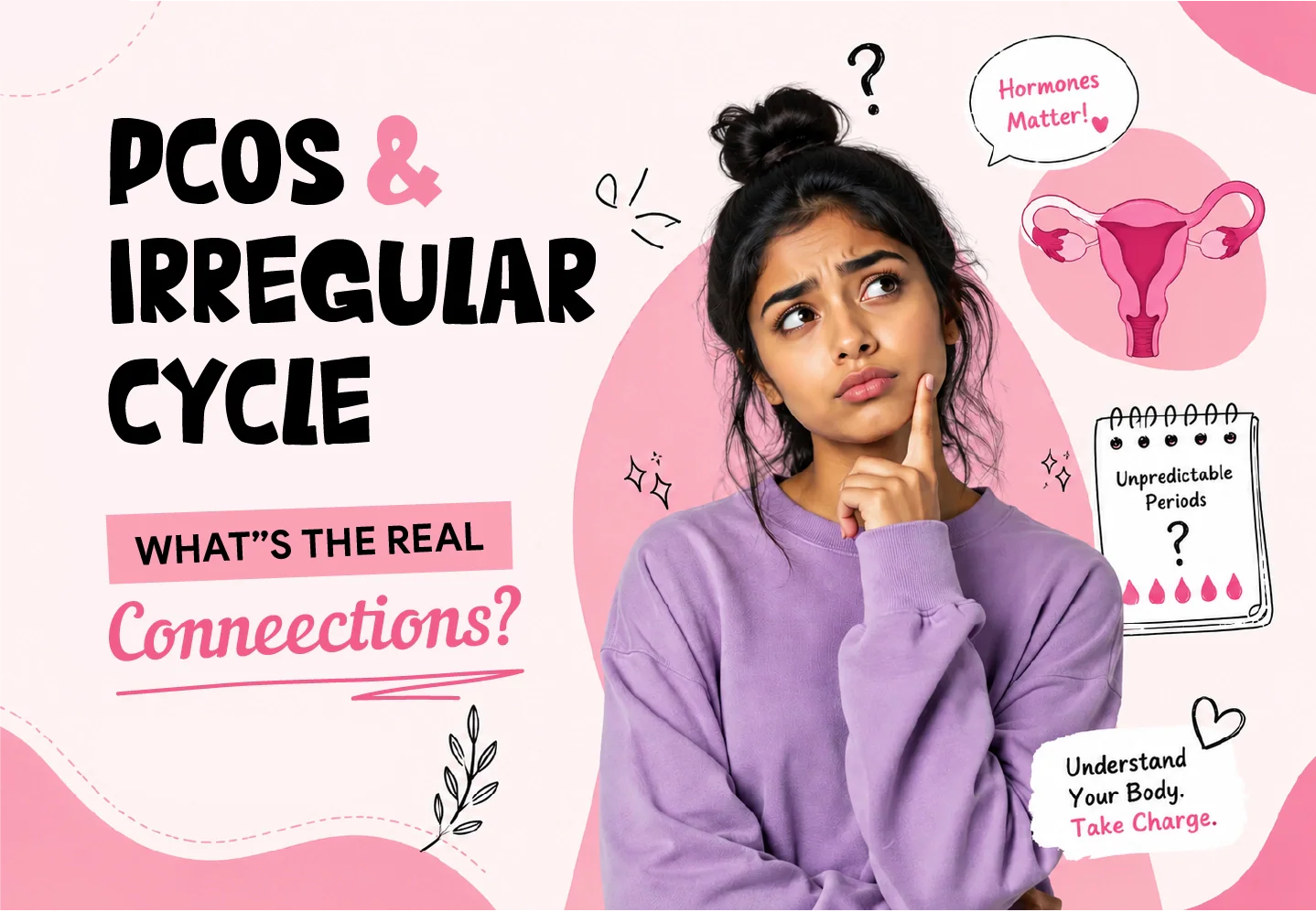

PCOS Symptoms, Causes & Irregular Periods: What Every Woman Needs to Know
PCOS (Polycystic Ovary Syndrome) is a hormonal disorder where the ovaries produce excess androgens (male hormones), disrupting ovulation and causing irregular periods, weight gain, acne, and unwanted hair growth - affecting 1 in 10 women of reproductive age worldwide. If you've been experiencing fewer than eight periods a year, stubborn acne, or unexplained weight gain, PCOS may be the reason, and understanding it is the first step to managing it effectively. What Is PCOS? The Science Simply Explained PCOS is driven by three interconnected disruptions. First, the ovaries produce too much androgen (testosterone), which suppresses ovulation. Second, insulin resistance - present in up to 70% of women with PCOS - causes the pancreas to overproduce insulin, which signals the ovaries to make even more androgens. Third, this hormonal imbalance throws off the LH/FSH ratio, leaving follicles immature and clustered on the ovary wall - what shows up as "polycystic ovaries" on an ultrasound. Managing PCOS effectively means addressing all three disruptions, not just the surface symptoms. Common PCOS Symptoms to Watch For PCOS presents differently in every woman. Here are the signs most worth knowing: Irregular periods - Cycles longer than 35 days, fewer than eight periods a year, or months with no period at all. This is the most common and most searched sign of PCOS. Excess androgens - Unwanted facial or body hair (hirsutism), hormonal acne around the chin and jaw, and hair thinning on the scalp are all driven by elevated testosterone. Polycystic ovaries - An ultrasound may show 12 or more small follicles arranged around the ovary. Not every woman with PCOS has visible cysts, and vice versa. Insulin resistance and weight changes - PCOS makes weight loss harder because insulin resistance promotes fat storage, especially around the abdomen. Dark skin patches on the neck or underarms can be a visible signal of high insulin. Mood changes and poor sleep - Hormonal fluctuations increase the risk of anxiety and depression. Women with PCOS are also more prone to sleep apnea, which worsens insulin resistance and cortisol levels further. How PCOS Disrupts Your Period In a normal cycle, ovulation triggers progesterone production, which eventually causes the uterine lining to shed as your period. With PCOS, irregular ovulation means progesterone is often insufficient - so the uterine lining keeps building without the signal to shed. When your period does arrive, it sheds a much thicker lining all at once. The body releases higher levels of prostaglandins to do this, which is why PCOS periods tend to be heavier, clottier, and more painful than average. Beyond the discomfort, consistently skipping ovulation raises the long-term risk of endometrial hyperplasia - an important reason to actively manage the condition even when pregnancy isn't the goal. PCOS Diet and Lifestyle: What Actually Helps A low-glycaemic, anti-inflammatory diet is the most well-supported approach for PCOS. Focus on high-fibre vegetables, lean proteins, healthy fats like avocado and flaxseed, and whole grains that prevent insulin spikes. Cut back on refined carbs, added sugars, and processed foods - these directly worsen insulin resistance and fuel androgen overproduction. For exercise, a mix of moderate aerobic activity (150 minutes per week) and strength training improves insulin sensitivity more effectively than almost any other lifestyle measure. Yoga has also been shown to reduce cortisol and androgen levels specifically in women with PCOS. Stress and sleep matter more than most women realise. High cortisol drives androgens up. Poor sleep worsens insulin resistance. Both are active contributors to PCOS, not background noise. Does Your Period Product Make a Difference? For women with PCOS - who often face heavier periods, increased discharge, and heightened hormonal sensitivity - the quality of period care is worth reconsidering. Conventional pads made with synthetic materials and chemical fragrances can add unnecessary irritation to an already sensitive body. Switching to toxin-free, chemical-free options removes one avoidable source of inflammation. Beyond basic absorption, wellness liners designed for daily between-cycle use can support uterine health as part of a broader PCOS care routine. The ZOY wellness liner works through transdermal activation using body heat, releasing a blend of herbs - Snow Lotus, Angelica, Motherwort, Astragalus, Mugwort, Safflower, and Mint - that support hormonal balance and pelvic circulation from the outside in. It is chemical-free and designed for daily use between cycles, not during your active period. Not suitable for pregnant women or those with diabetes. Frequently Asked Questions About PCOS What is PCOS in simple terms? PCOS is a hormonal condition where the ovaries overproduce androgens, disrupting ovulation. This leads to irregular periods, acne, unwanted hair growth, and weight struggles. It affects roughly 1 in 10 women of reproductive age. What are the early signs of PCOS? Irregular periods (cycles over 35 days or fewer than eight per year), chin and jaw acne, and unexplained weight gain around the abdomen are often the earliest signs. Can PCOS be cured permanently? There is no permanent cure, but PCOS can be effectively managed and significantly reduced in severity through sustained lifestyle changes - many women restore regular cycles through diet, exercise, and stress management alone. How does PCOS affect periods specifically? It disrupts ovulation, causing the uterine lining to build up thicker than normal. When your period finally comes, it tends to be heavier, more painful, and longer-lasting. What is the connection between PCOS and insulin resistance? High insulin signals the ovaries to overproduce androgens, which suppresses ovulation and worsens insulin resistance further. Breaking this cycle through low-glycaemic eating and exercise is central to long-term PCOS management. Does PCOS cause white discharge? Yes. Hormonal fluctuations from PCOS can increase vaginal discharge or change its consistency due to shifting oestrogen levels affecting cervical mucus. If it comes with an unusual smell or itching, consult a gynaecologist. When should I see a doctor about PCOS? If you have fewer than eight periods a year, significant hair thinning, persistent hormonal acne, or have been trying to conceive for six months or more without success, see a gynaecologist. Early diagnosis makes PCOS significantly easier to manage. Can the ZOY wellness liner help with PCOS symptoms? The ZOY wellness liner does not treat PCOS, but it can be a gentle, chemical-free addition to your self-care routine. It uses body heat to release herbs like Snow Lotus, Angelica, and Motherwort, supporting hormonal balance and pelvic circulation between cycles. Pair it with diet, exercise, and your gynaecologist's guidance for the best results. Not suitable for pregnant women or those with diabetes.
Learn more
What Is PCOS and How Does It Affect Your Period?
If you've been dealing with irregular periods, unexplained weight gain, or stubborn acne, you may have come across the term PCOS - Polycystic Ovary Syndrome. You are not alone. PCOS is one of the most common hormonal disorders affecting women today, yet most women don't fully understand what it is or what it's doing to their body. This blog explains it clearly - what PCOS is, what signs to look for, how it affects your period, and what you can do about it. What Is PCOS? PCOS is a hormonal disorder that affects women of reproductive age. It happens when the ovaries produce too much of a male hormone called androgen. This throws the normal hormonal balance off, which then disrupts ovulation - the process where your ovaries release an egg each month. In a normal cycle, one egg is released every month. With PCOS, that doesn't happen regularly. Instead, the ovaries may develop small fluid-filled sacs called follicles that never fully release an egg. Over time, this leads to a range of physical and emotional symptoms that affect daily life. PCOS Symptoms You Shouldn't Ignore The tricky thing about PCOS is that symptoms vary from woman to woman. Some women have all of them. Others have just one or two. Here are the most common signs to watch for: Irregular periods - This is the most common sign. You might have fewer than eight periods a year, very long cycles, or periods that come and go unpredictably. Excess androgen - Too much male hormone can show up as unwanted facial or body hair, severe acne, or hair thinning on the scalp. Polycystic ovaries - The ovaries may become enlarged and contain multiple small follicles surrounding the eggs. Weight struggles - Many women with PCOS find it hard to manage their weight because of insulin resistance, which affects how the body processes food. If you recognise two or more of these signs, it's worth consulting a doctor. How PCOS Makes Period Pain Worse For women with PCOS, periods are often unpredictable, heavier than normal, and more painful. Here's why. Because ovulation is irregular, the uterine lining builds up thicker than it normally would. When your period finally comes, that thicker lining sheds all at once - leading to heavier bleeding and more intense cramps. Managing PCOS isn't just about dealing with your period when it arrives. It's about supporting your cycle all month long. Does Your Period Product Make a Difference with PCOS? Most women don't think about this - but yes, it can. Conventional pads made with synthetic materials and chemicals can add to inflammation and discomfort, especially during an already painful cycle. Switching to a toxin-free, chemical-free option removes one source of irritation that your body doesn't need. Beyond basic period care, there are wellness liners designed specifically to support hormonal balance and uterine health between cycles. The wellness liner from ZOY is one example. It works beyond absorption; it works through transdermal body heat, activating a blend of herbs that support the body from the outside in. Here's what makes it different: Feature & Benefit for PCOS Snow Lotus, Angelica, Motherwort - Supports hormonal balance naturally Astragalus, Mugwort, Safflower, Mint - Improves pelvic blood circulation Chemical-free and toxin-free - Gentler alternative to plastic-based pads Daily use design - Works between cycles, not just during Important note: These wellness liners are designed for daily use between cycles. Pregnant women & diabetic should not use them, and use should be stopped during your active period as per product guidelines. Lifestyle Tips That Help with PCOS Medical guidance is important for managing PCOS, but small daily habits make a real difference too. Eat for hormone balance - Focus on high-fibre vegetables, lean proteins, and whole grains. These help manage insulin resistance, which is a key driver of PCOS symptoms. Manage stress - High stress raises cortisol, which makes the hormonal imbalance worse. Even 10 minutes of gentle yoga or meditation daily can help over time. Prioritise sleep - Poor sleep worsens the metabolic issues linked to PCOS. Aim for seven to eight hours consistently. Track your cycle - Even irregular cycles have patterns. Tracking helps you spot changes, communicate better with your doctor, and understand your body more clearly. Frequently Asked Questions What is PCOS in simple terms? PCOS is a hormonal condition where the ovaries don't release eggs regularly. This causes a hormone imbalance that leads to irregular periods, excess body hair, acne, and weight struggles. It's one of the most common conditions affecting women of reproductive age. Can PCOS cause irregular periods? Yes. Irregular periods are the most common sign of PCOS. Because ovulation is disrupted, periods can come late, come rarely, or be completely unpredictable. Some women with PCOS have fewer than eight periods in a year. Does PCOS make period pain worse? Yes. With PCOS, the uterine lining builds up thicker than normal between cycles. When your period does come, it tends to be heavier and more painful than average. Can PCOS be managed naturally? Yes, PCOS can be reversed. A combination of a balanced diet, regular movement, stress management, good sleep, and the right period care products can significantly reduce symptoms over time. Always work alongside a healthcare professional for the best results. What is a wellness liner, and how does it help with PCOS? Herbal sanitary pads made from natural, toxin-free ingredients are generally considered a gentler and safer option than conventional chemical-based pads, particularly for women dealing with hormonal sensitivity. Always check the product guidelines and consult your doctor if you have specific concerns. Are herbal sanitary pads safe for women with PCOS? Disposable period panties are better for travel because they're single-use - no washing or drying needed. Reusable period panties are great for everyday home use but less practical on the road. When should I see a doctor about PCOS? If you have fewer than eight periods a year, notice significant hair thinning or unusual hair growth, struggle with unexplained weight gain, or have been trying to conceive without success, speak to a gynaecologist. Early diagnosis makes PCOS much easier to treat. Can PCOS cause unusual white discharge? Yes. Hormonal imbalance from PCOS can affect vaginal discharge. Some women notice more white discharge than usual, or discharge that feels uncomfortable. This happens because fluctuating hormone levels disrupt the natural balance of the vaginal environment. Using toxin-free, pH-balancing period care products and maintaining good intimate hygiene can help manage this. If the discharge has a strong odour or causes itching, consult a gynaecologist. This blog is for educational purposes only and does not constitute medical advice. Always consult a qualified healthcare professional for diagnosis and treatment of PCOS or any other medical condition.
Learn more
Female Hormonal Imbalance: Symptoms, Causes, and Natural Fixes
Hey! Feeling like your body’s playing tricks on you with mood swings one day and total exhaustion the next? That’s a possible hormonal imbalance at work, and you’re not alone. Tons of women face this because of stress, diet, or changes like menopause. The good news is you can take control once you understand it, but consult a doctor first for diagnosis and personalised advice. In this guide, I’ll share the symptoms, potential conditions, and natural strategies that may help support balance. These methods may not work the same for everyone, and they are not a replacement for professional medical care. Symptoms of Hormone Imbalance Hormonal shifts often show up in subtle ways, but they can disrupt daily life. Common signs include: Irregular periods or heavy bleeding Mood changes like anxiety, irritability, or depression Fatigue and trouble sleeping Acne, hair loss, or unwanted hair growth Dry skin, headaches, or low energy These symptoms vary based on which hormones, like estrogen, progesterone, or thyroid, are imbalanced. If you're noticing any of these symptoms, it is best to consult a doctor for blood tests if you feel self-diagnosis is unreliable. Conditions Caused by Hormonal Imbalance Untreated imbalances can lead to serious health issues. For instance, polycystic ovary syndrome (PCOS) affects fertility and insulin levels, while thyroid disorders like hypothyroidism slow metabolism. Other conditions include: Endometriosis or fibroids, causing pelvic pain Infertility due to disrupted ovulation Osteoporosis from low estrogen Diabetes as imbalances mess with blood sugar regulation According to experts from the Cleveland Clinic and UCLA Health, early detection through blood tests can prevent complications. Don't ignore persistent symptoms because they're your body's signal for help. Can Hormone Imbalance Cause Weight Gain? Absolutely, yes. Hormones like cortisol (the stress hormone) and insulin play key roles in metabolism. When imbalanced, they can lead to stubborn weight gain, especially around the belly. For example, high cortisol from chronic stress promotes fat storage, while low thyroid hormones slow calorie burning. Menopause may worsen due to an estrogen drop. Lifestyle changes may support management, but results vary and require medical oversight. Balancing Hormones Naturally You don't always need medicine initially; simple changes can restore harmony, but consult a doctor first and use them only along with medical advice. Start with a nutrient-rich diet: Load up on leafy greens, fatty fish like salmon, nuts, and seeds for omega-3s and fibre, which support gut health and hormone production. As per Medical News Today and Oasis Fertility, foods like avocados, berries, and flaxseeds help balance hormone levels. Exercise regularly, 30 minutes of walking or yoga daily, to boost insulin sensitivity. Manage stress with meditation or sleep (8 – 9 hours nightly). Cut back on sugar and processed foods to avoid spikes in insulin. Supplements like vitamin D or magnesium might help, but require doctor approval and testing. Many women also find that supporting the body from the outside helps too. During periods, using a gentle herbal pad can provide soothing warmth and traditional Ayurvedic herbs directly to the pelvic area. The Zoy Snow Lotus Therapy Pad, infused with snow lotus, safflower, mugwort, angelica, and other time-tested herbs, is designed to ease cramps, promote better flow and maintain warmth in the lower abdomen, all of which can reduce the monthly strain that worsens hormonal fluctuations. It’s a simple, natural switch that complements the lifestyle changes above without any extra effort. In conclusion, hormonal imbalance in females is common but manageable. By spotting symptoms early and adopting natural strategies, you can feel more energised and balanced. If issues persist, see a healthcare provider for personalised advice. Your body deserves it. Start small today for big changes tomorrow. Frequently Asked Questions What is hormonal imbalance in females? Hormonal imbalance happens when there is too much or too little of certain hormones in the body. This can affect periods, mood, energy, and overall health. What are the common symptoms of hormonal imbalance in women? Common signs include irregular periods, mood swings, tiredness, acne, hair fall, and trouble sleeping. These symptoms can be mild or strong depending on the body. What causes hormonal imbalance in females? It can be caused by stress, poor diet, lack of sleep, thyroid problems, or conditions like PCOS. Life stages like puberty, pregnancy, and menopause also play a role. Can hormonal imbalance cause weight gain? Yes, it can. Hormones like insulin and cortisol can affect how the body stores fat. This may lead to weight gain, especially around the stomach. When should I see a doctor for hormonal imbalance? You should see a doctor if symptoms last for a long time or affect daily life. Blood tests can help find the exact problem and guide the right treatment. Can hormonal imbalance affect periods? Yes, it can make periods irregular, heavy, or even missed. Some women may also feel more pain or discomfort during their cycle. How can I balance hormones naturally? Healthy habits can help. Eat balanced food, exercise daily, sleep well, and manage stress. These small steps support better hormone balance over time. Can using better period products help during hormonal imbalance? Yes, comfortable and skin-friendly products can make periods easier to manage. Some women prefer gentle options like herbal pads, including those from Zoy, for added comfort during sensitive days.
Learn more
Post-Menstrual Syndrome: Symptoms, Causes & Relief
Post-menstrual syndrome (PMSynd) refers to emotional and physical symptoms that appear after a period ends, such as mood swings, fatigue, anxiety, and lingering cramps. Triggered mainly by post-period hormonal fluctuations, stress, and blood sugar imbalance, these symptoms can feel confusing but are common. This blog explains the signs of post-menstrual syndrome, why it happens, when to seek medical advice, and simple, natural coping tips to support hormonal balance and feel better after your period.
Learn more
PMS: Symptoms, Causes, and Easy Management Tips
Premenstrual syndrome (PMS) affects millions of women worldwide, but it's often misunderstood. If you're dealing with mood swings, bloating, or fatigue right before your period, you're not alone. In this beginner-friendly guide, we'll break down what PMS is, its common symptoms, possible causes, and practical tips for relief. Drawing from trusted sources like Mayo Clinic, Cleveland Clinic, and Women's Health.gov, we'll keep things simple and straightforward so you can feel more in control. What Is Premenstrual Syndrome (PMS)? PMS refers to a mix of physical and emotional changes that happen 1-2 weeks before your menstrual period starts. It impacts up to 75-90% of menstruating women, with symptoms usually easing once your period begins. For a small group (about 3-8%), a severe form called premenstrual dysphoric disorder (PMDD) can disrupt daily life with intense mood issues like severe depression or anxiety. PMS isn't a disease; it's tied to your body's natural hormone cycle and typically worsens in your 30s or during perimenopause. Common PMS Symptoms Symptoms vary from person to person and can range from mild to bothersome. Track yours in a journal or app to spot patterns. Physical signs include: Bloating, weight gain from fluid retention, or abdominal cramps. Breast tenderness, headaches, or back pain. Fatigue, acne flare-ups, or digestive issues like constipation or diarrhoea. Emotional symptoms might involve: Irritability, mood swings, or crying Anxiety, depression, or trouble concentrating Food cravings, sleep problems, or reduced libido If symptoms interfere with work, school, or relationships, it could signal PMDD, so you have to consult a doctor. What Causes PMS? The exact cause isn't fully known, but hormonal shifts play a big role. During the luteal phase (after ovulation), estrogen and progesterone levels fluctuate, affecting brain chemicals like serotonin, which regulates mood. Factors like stress, poor diet (high in sugar or caffeine), lack of exercise, or family history can make it worse. Smoking and alcohol may also intensify symptoms, according to studies from NCBI and MedlinePlus. When Should You See a Doctor? See a healthcare provider if symptoms are severe or don't improve with home remedies. They'll diagnose based on your symptom diary (over 2-3 cycles) and rule out conditions like thyroid issues or depression. No single test exists, but tracking helps. Easy Ways to Manage PMS Start with lifestyle tweaks for mild cases: Exercise regularly: 30 minutes of walking or yoga daily can reduce mood swings and cramps. Eat smart: Cut back on salt, caffeine, and sugar; load up on fruits, veggies, whole grains, and calcium-rich foods. Prioritise sleep and stress relief: Aim for 7-9 hours of rest; try meditation or deep breathing. Over-the-counter help: NSAIDs like ibuprofen ease pain; consider vitamin B6 or calcium supplements (check with your doctor first). Living with PMS doesn't have to be overwhelming. By understanding your body and making small changes, many women find significant relief. If you're struggling, reach out to a trusted ob-gyn or use resources from ACOG for personalised advice. Remember, you're not alone. Empower yourself with knowledge and support. Frequently Asked Questions What is PMS and when does it start? PMS stands for premenstrual syndrome. It usually starts 1 to 2 weeks before your period and goes away once your period begins. What are the most common symptoms of PMS? Common symptoms include bloating, cramps, tiredness, mood swings, and cravings. Some people may also feel anxious or have trouble sleeping. Why does PMS happen? PMS happens due to changes in hormones like estrogen and progesterone. These changes can also affect brain chemicals like serotonin, which controls mood. How long does PMS last? PMS symptoms usually last a few days to a week. For some people, it may last longer until their period starts. What is the difference between PMS and PMDD? PMDD is a more severe form of PMS. It can cause strong mood changes like depression or anxiety that affect daily life. A doctor should be consulted if symptoms feel intense. Can diet help reduce PMS symptoms? Yes, eating healthy foods can help. Try fruits, vegetables, whole grains, and calcium-rich foods. Avoid too much sugar, salt, and caffeine. What are simple ways to manage PMS at home? Regular exercise, good sleep, and stress control can help a lot. Activities like walking, yoga, and meditation may reduce symptoms. When should I see a doctor for PMS? You should see a doctor if your symptoms are severe or affect your daily life. Tracking your symptoms for a few months can help with diagnosis.
Learn more
The Truth About Uterine Fibroids: Symptoms, Causes & Relief Options
Uterine fibroids are non-cancerous growths that develop in or around the uterus, affecting millions of women worldwide. In most cases, fibroids are benign; however, in some instances, they can cause discomfort and impact the quality of life. In this blog, we have clearly described the symptoms, causes, and treatment options. What Are Uterine Fibroids? Fibroids, also known as leiomyomas or myomas, are composed of fibrous and muscle tissue. They are different in size, from small seeds to large masses that contort the uterus. Some women develop a single fibroid, while a few others develop multiple masses. What Causes Fibroids? The real reason for fibroids is unknown, but the key factors include: Hormones Genetics Age Low Vitamin D Hormones: Using menstrual cycle regulators will increase hormones like Estrogen and progesterone in a woman’s body, which promote fibroid growth. Genetics: Fibroids can also be caused by genetics. For example, if a mother or sister has fibroids, it increases your risk. Age: Fibroids are mostly found in women between the ages of 30 and 50 years old. Low Vitamin D: There is evidence that shows low vitamin D levels might be a risk factor for developing uterine fibroids. Common Symptoms of Uterine Fibroids Most women don’t have any symptoms of fibroids, but when they are present, they may include: Heavy or prolonged menstrual bleeding Pelvic pain or pressure Frequent urination Lower back pain Abdominal bloating or fullness In very few rare cases, fibroids can affect fertility or pregnancy. Can Fibroids be Diagnosed? Yes, leiomyomas (Fibroids) can be diagnosed in one of two ways: Pelvic Exam to detect irregularities. Imaging tests like ultrasound or MRI to confirm size/location. Do Fibroids Have a Treatment? Yes, fibroids do have a treatment plan; however, it is based on one's case severity and future pregnancy plans. Fibroids can be treated with either medications or surgery. Medications Here are a few medications to treat your fibroids. It is advised to take these medications after consulting a physician (Doctor) OTC – medication includes acetaminophen and ibuprofen Iron Supplements Birth Control – helps with the symptoms of fibroids Gonadotropin-releasing hormone (GnRH) agonists – help by shrinking fibroids Surgery There are several factors to consider before fibroid removal surgery. Growth of the fibroid, location, and its number can influence the type of surgery. Here are a few types of fibroid surgery: Myomectomy Hysterectomy Uterine fibroid embolisation Radiofrequency ablation (RFA) Final Thoughts Uterine fibroids are common but manageable. If you're experiencing symptoms, consult your gynaecologist for early diagnosis. Your health and comfort matter! Frequently Asked Questions What are uterine fibroids? Uterine fibroids are non-cancerous growths that develop in or around the uterus. They are common and usually not life-threatening. Are fibroids cancerous? No, most fibroids are benign, which means they are not cancer. Very rarely, a fibroid may need closer medical evaluation. What causes uterine fibroids? The exact cause is not fully known. Hormones, genetics, age, and low vitamin D levels may increase the risk of developing fibroids. What are the common symptoms of fibroids? Some women have no symptoms. Others may have heavy periods, pelvic pain, frequent urination, lower back pain, or bloating. Can fibroids affect fertility or pregnancy? In some cases, fibroids can affect fertility or pregnancy. However, many women with fibroids still have healthy pregnancies. How are uterine fibroids diagnosed? Doctors may diagnose fibroids through a pelvic exam and imaging tests like ultrasound or MRI to check their size and location. What are the treatment options for fibroids? Treatment depends on symptoms and future pregnancy plans. Options may include medicines to manage symptoms or procedures like myomectomy or other surgeries. When should I see a doctor about fibroids? You should see a doctor if you have heavy bleeding, severe pain, or symptoms that affect your daily life. Early diagnosis helps with better treatment planning.
Learn more