

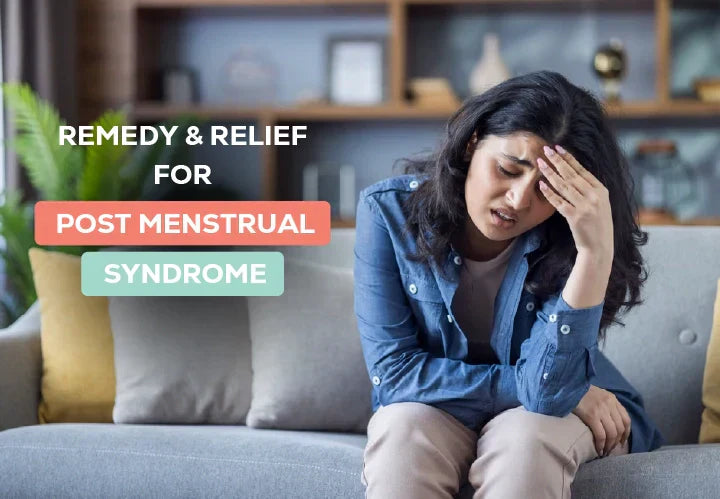
Ever feel like your period's finally over, but instead of relief, a wave of unexplained sadness or irritability hits hard? You're not alone, this is post-menstrual syndrome (PMSynd), the under-the-radar flip side of premenstrual syndrome (PMS). While PMS is well-known for the problems before a period, post-menstrual syndrome can start right after it ends, often with even stronger emotional effects. Think of it as the "post-menstrual blues": that foggy mix of low mood and physical drag lasting a few days to two weeks. It's not an official medical condition yet, but about 1 in 10 people who get periods report experiencing it, often with stronger emotional symptoms than classic PMS. If you're new to cycle tracking, don't worry; we'll break it down simply.
What Does Post-Menstrual Syndrome Feel Like?
Symptoms kick in 1-2 days post-period and fade as your cycle ramps up toward ovulation. They're split into body and mind stuff, but the emotional side often steals the show, more intense than PMS blues.
Physical signs include:
- Cramps that don’t go away or aches in your belly, back, joints, or neck.
- Headaches, fatigue, or bloating that won't quit.
- Vaginal dryness, itching, or discomfort during physical activity (a red flag for something like endometriosis).
Emotional hits include:
- Sudden mood swings, irritability, or teariness.
- Anxiety, anger bursts, or that heavy depression fog.
- Trouble sleeping, focusing, or just feeling "off."
These aren't random bad days; they're your body's signal that something isn’t right.
Why Does It Happen? The Hormone Lowdown
Think of your menstrual cycle as a hormone rollercoaster. After your period, the hormones estrogen and progesterone are supposed to rise smoothly back up. But for some people, they surge unevenly, which can cause post-period symptoms.
This is especially common in cycles where you don't ovulate (release an egg). Other major factors that can throw your hormones off balance include:
- Insulin Problems: If your body has trouble managing blood sugar (like with Insulin Resistance or PCOS), it can disrupt all your other hormones.
-
Lifestyle Factors: A high-sugar diet, chronic stress, poor sleep, and even some types of birth control can make symptoms worse.
While more research is needed, tracking your symptoms can help you identify your personal triggers.
When to See a Doctor & Get Checked
Most cases are mild, but if blues border on deep depression, pain persists, or it disrupts life, consult a gynaecologist. Keep a simple symptom diary (app or notebook), noting moods, eats, and sleep, it rules out PCOS, thyroid issues, or low iron (common post-period). Blood tests can confirm hormone or nutrient dips.
Beat the Blues: Simple Relief Strategies
No one-size-fits-all fix, but these beginner-friendly tweaks work wonders, like PMS management.
1. Feel Better Right Away
- 20-minute walk or easy yoga gives you happy hormones fast.
- Breathe slowly for 5 minutes (inhale for 4 seconds, hold for 4, exhale for 4, hold for 4).
-
20 g of dark chocolate that is made with at least 70% or more real cocoa will quickly give you a happy feeling.
2. Simple Food Changes That Help a Lot
- Skip coffee and sweets for just one week, and you’ll notice mood swings calm down a lot.
- Eat one iron rich meal every day, along with something high in vitamin C to beat tiredness.
- Take 300 – 400 mg of magnesium before bed to ease cramps.
Note: If you decide to take supplements, first consult a doctor before consuming them.
3. Sleep
- Go to bed and wake up at the same time every day and make sure you sleep 8 – 9 hours.
- Try seed cycling: eat one tablespoon each of flax and pumpkin seeds daily in the first half of your cycle, then switch to sesame and sunflower seeds in the second half.
4. Fast Body Comfort
- Use the Zoy Snow Lotus Therapy Pad 6 to 8 hours a day to get relief. The gentle warmth and herbal snow lotus soothe cramps, bloating, and pelvic ache.
- Apply a warm castor oil pack on your belly for 30–60 minutes, 3–4 times a week.
- Spend 5 minutes doing easy stretches.
5. Stop It Before It Starts
- Track your cycle for 2 to 3 months with mobile apps. Once you know your bad day, start these tricks two days before.
Post-menstrual syndrome doesn't have to dim your shine; knowledge is power. Start with one tip today, like a cosy walk, and watch the fog lift.


