

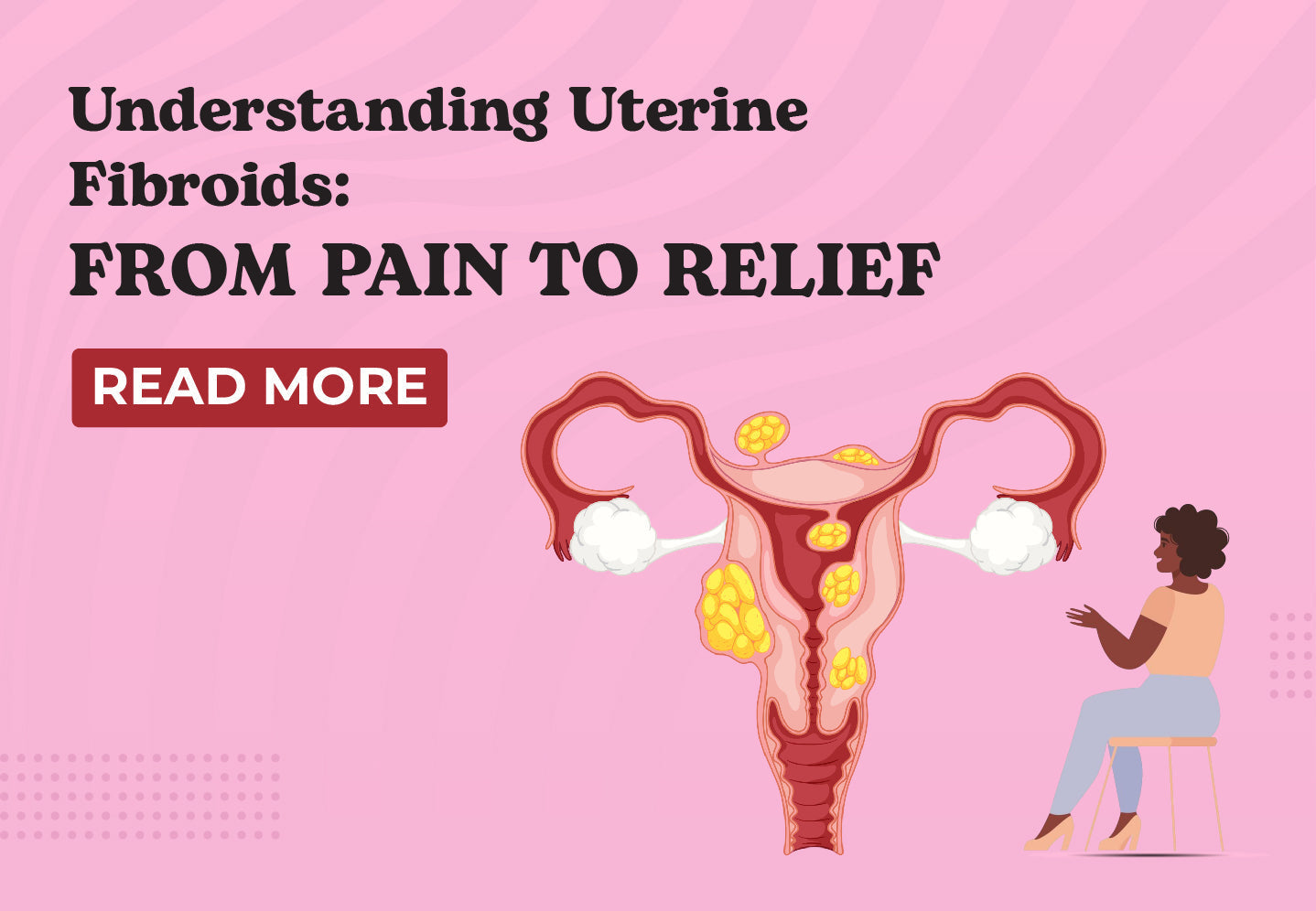
Uterine fibroids are non-cancerous growths that develop in or around the uterus, affecting millions of women worldwide. In most cases, fibroids are benign; however, in some instances, they can cause discomfort and impact the quality of life. In this blog, we have clearly described the symptoms, causes, and treatment options.
What Are Uterine Fibroids?
Fibroids, also known as leiomyomas or myomas, are composed of fibrous and muscle tissue. They are different in size, from small seeds to large masses that contort the uterus. Some women develop a single fibroid, while a few others develop multiple masses.
What Causes Fibroids?
The real reason for fibroids is unknown, but the key factors include:
- Hormones
- Genetics
- Age
- Low Vitamin D
Hormones: Using menstrual cycle regulators will increase hormones like Estrogen and progesterone in a woman’s body, which promote fibroid growth.
Genetics: Fibroids can also be caused by genetics. For example, if a mother or sister has fibroids, it increases your risk.
Age: Fibroids are mostly found in women between the ages of 30 and 50 years old.
Low Vitamin D: There is evidence that shows low vitamin D levels might be a risk factor for developing uterine fibroids.
Common Symptoms of Uterine Fibroids
Most women don’t have any symptoms of fibroids, but when they are present, they may include:
- Heavy or prolonged menstrual bleeding
- Pelvic pain or pressure
- Frequent urination
- Lower back pain
- Abdominal bloating or fullness
In very few rare cases, fibroids can affect fertility or pregnancy.
Can Fibroids be Diagnosed?
Yes, leiomyomas (Fibroids) can be diagnosed in one of two ways:
- Pelvic Exam to detect irregularities
. - Imaging tests like ultrasound or MRI to confirm size/location.
Do Fibroids Have a Treatment?
Yes, fibroids do have a treatment plan; however, it is based on one's case severity and future pregnancy plans. Fibroids can be treated with either medications or surgery.
Medications
Here are a few medications to treat your fibroids. It is advised to take these medications after consulting a physician (Doctor)
- OTC – medication includes acetaminophen and ibuprofen
- Iron Supplements
- Birth Control – helps with the symptoms of fibroids
- Gonadotropin-releasing hormone (GnRH) agonists – help by shrinking fibroids
Surgery
There are several factors to consider before fibroid removal surgery. Growth of the fibroid, location, and its number can influence the type of surgery. Here are a few types of fibroid surgery:
- Myomectomy
- Hysterectomy
- Uterine fibroid embolisation
- Radiofrequency ablation (RFA)
Final Thoughts
Uterine fibroids are common but manageable. If you're experiencing symptoms, consult your gynaecologist for early diagnosis. Your health and comfort matter!


