

Blogs

Managing Heavy Periods: A Practical Guide to Supporting Your Body
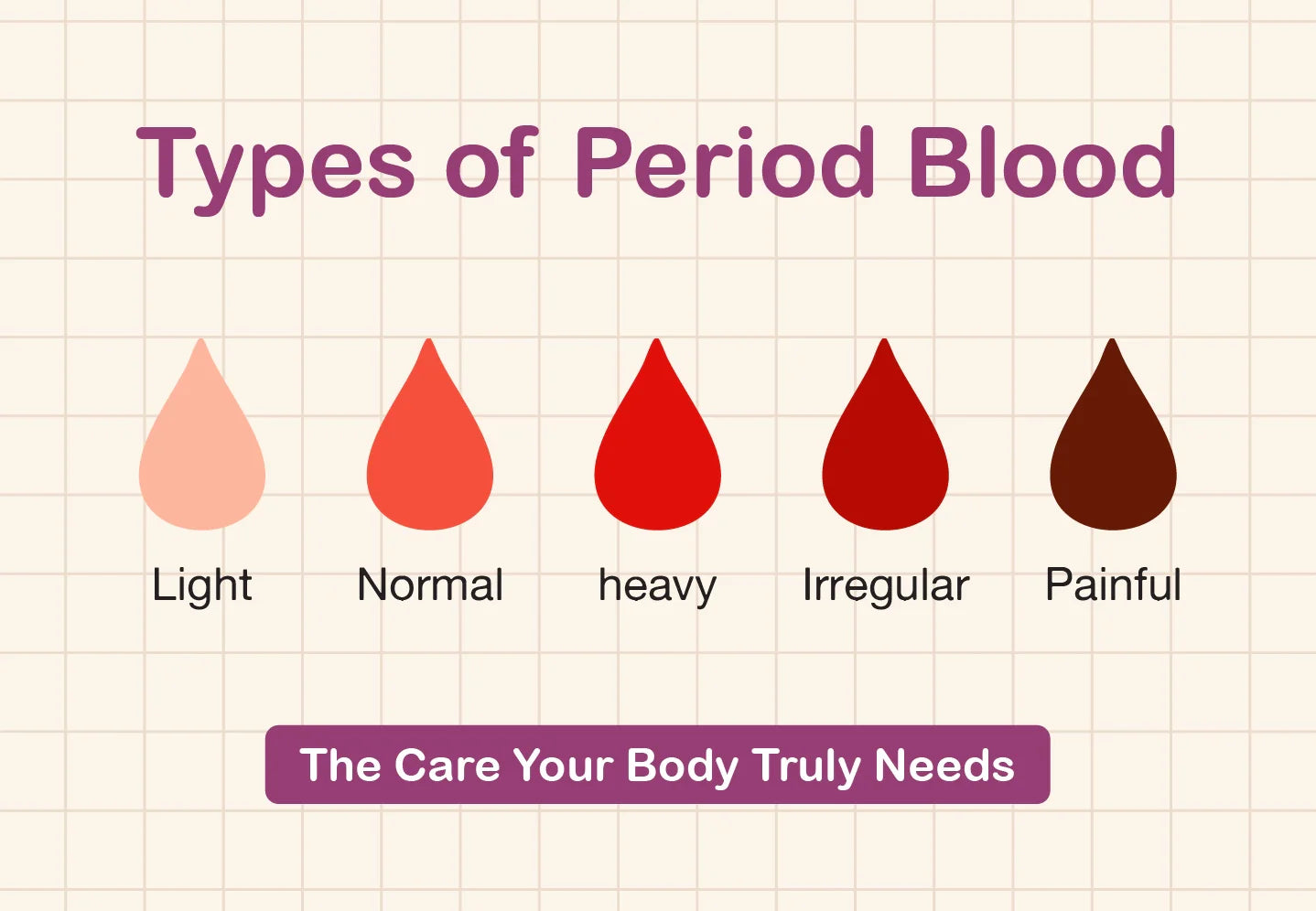
Heavy periods are not unusual for many women; the first one or two days of their cycle bring stronger flow, deeper cramps, and lower energy. It can feel intense, both physically and mentally. Managing heavy periods is not about forcing your body to behave differently. It’s about understanding your pattern and choosing support that matches your flow. When you understand what your body is doing, heavy days become more predictable and far more manageable. This guide explains what heavy flow means, how to prepare for it, and which practical protection choices can support your body with confidence. When Is a Period Considered Heavy? Clinically and practically, heavy menstrual flow may include: Needing to change protection every 1–2 hours Passing larger clots Bleeding longer than 7 days Waking up due to leakage Feeling unusually weak or drained If your bleeding suddenly becomes heavier than your usual cycle or you experience dizziness, consult a healthcare professional. Predictable heavy days, however, can often be managed with preparation and the right protection strategy. Why Heavy Days Feel More Exhausting The physical strain is obvious with stronger cramps, abdominal pressure, and fatigue. But the mental load matters just as much. Heavy days often involve: Calculating when to change protection Worrying about stains Adjusting clothing or movement Staying mentally alert to leaks This constant vigilance drains energy. When protection feels secure, your mind relaxes, and the experience becomes less stressful. Practical Ways to Manage Heavy Flow Track Your Pattern If your first days are consistently heavier, plan ahead. Keep high-absorbency protection ready before your cycle begins. Use Higher Absorption When Needed The right absorption reduces frequent changes and discomfort. Protect Your Sleep Reliable overnight protection supports uninterrupted rest, which is essential for recovery and energy. Monitor Your Health Persistent fatigue may signal iron depletion. Medical consultation ensures your body is properly supported. Preparation removes uncertainty, and uncertainty is often what makes heavy days feel overwhelming. Choosing Support That Stays in Place On heavy days, full coverage protection matters especially during work, travel, or sleep. ZOY offers solutions designed specifically for unpredictable heavy flow. ZOY Disposable Period Panties These disposable period panties provide a single-piece absorbent system built into soft fabric, eliminating pad shifting. They deliver: 360° leak-lock coverage High-absorbency core Breathable comfort Up to 12 hours of protection Many women use them during heavy-flow days, overnight, postpartum recovery, or travel when reliability matters most. Dependable Heavy-Flow Protection with Pads If you prefer pads, two high-absorption options support different needs: ZOY Graphene Anion Sanitary Pads Antibacterial graphene layer pH-balancing support Breathable comfort Extended wear confidence ZOY Herbal Sanitary Pads Ayurvedic herbal infusion Comfort-focused design Secure leak protection Both options prioritise skin comfort, airflow, and reliable absorption essential for heavy-flow days. There’s no single correct routine. Some switch products after the heaviest days. Others add overnight protection. The best choice is the one that lets you move through your day without distraction. Final Thoughts Heavy periods don’t have to feel like a monthly obstacle. Understanding your flow and choosing protection that performs consistently transforms the experience: Less checking. Less adjusting. More focus on your day. That’s what practical period support should provide. Frequently Asked Questions When is a period considered heavy? If you change protection every 1–2 hours, pass clots, bleed longer than 7 days, or wake due to leaks, your flow may be heavy. Sudden changes should be medically evaluated. Why do heavy days feel exhausting? Stronger cramps and fatigue combine with mental alertness about leaks. Secure protection reduces stress and energy drain. How can I prepare for heavy-flow days? Track your cycle, use high-absorbency protection early, protect sleep, and monitor energy levels. What works best overnight during heavy periods? Full-coverage disposable period panties provide leak-lock security and extended protection for uninterrupted sleep. Are pads enough for heavy periods? Yes, ZOY's high-absorbency pads, designed for leak control and breathability, offer dependable protection even on your heaviest days. Can heavy periods be a sign of a health problem? Yes, heavy bleeding can sometimes indicate conditions like PCOS, fibroids, thyroid issues, or anaemia. If your flow is unusually heavy or painful, consult a doctor for proper evaluation. What foods help during heavy period days? Iron-rich foods like spinach, lentils, and dates help replenish blood loss. Stay hydrated and include magnesium-rich foods like bananas and nuts to reduce cramps and fatigue. How do I stop period leaks at night? Use overnight period panties or extra-long pads with side barriers. Sleep on your back or side, place a dark towel under you for added protection, and change your pad before bed.
Learn more
Skin Irritation During Periods: Why It Happens and What Actually Brings Relief
Skin irritation during periods is something many women quietly experience but rarely talk about. Periods don’t just happen in the uterus.They happen in the skin too. That part no one really prepares you for. The quiet burning. The redness. The itching that creeps in around midday. The way you suddenly become aware of how you’re sitting, how you’re walking, how everything feels just a little... raw. It’s not dramatic. You still go to work. You still reply to messages. You still function.But your body is uncomfortable. And when the body is uncomfortable, everything feels heavier. For many women, this discomfort gradually turns into a period rash, a mix of irritation, itching, and soreness that builds when sensitive skin meets warmth and moisture. Why Does Skin Irritation Happen During Periods? During menstruation, hormonal fluctuations make skin thinner, more reactive, and easier to irritate. Add warmth, trapped moisture, and something resting against the same area for hours — irritation doesn’t really need an invitation. It usually builds slowly. First comes warmth.Then dampness.Then that mild soreness you try to ignore. By day two or three, many women aren’t only managing bleeding anymore, they’re managing itching and skin irritation during their period. And somehow, we’ve normalised that. Is Period Irritation About Hygiene or Something Else? A lot of women quietly assume irritation means they’re doing something wrong. Not changing enough. Not cleaning properly. Not choosing the “right” product. But most of the time, period irritation isn’t about hygiene. It’s about the skin environment. Too much heat.Too much trapped moisture.Materials that don’t breathe.Surfaces that rub when the skin is already sensitive. This is why many women wonder why pads cause rashes during periods, and the answer often comes down to breathability and prolonged moisture contact. What irritated skin usually wants isn’t stronger products. It wants gentler, more breathable menstrual care. What Is the Best Menstrual Pad for Skin Irritation? If irritation is your main struggle, choosing the best pad for sensitive skin becomes less about marketing and more about skin science. Graphene-based sanitary pads are increasingly preferred because graphene, combined with T-Polyphenol, Anion, and Magnetic Far-Infrared technology, helps: Reduce bacterial growth Maintain healthy pH balance Manage heat and moisture Improve circulation Minimise friction-related irritation That matters because bacteria and constant dampness are what often turn mild sensitivity into period rashes, itching, and soreness. This is where ZOY’s Graphene Anion Sanitary Pads quietly make sense: Not as a miracle promise, just thoughtful design for irritation-prone skin. ZOY combines graphene technology with a soft organic cotton top layer for breathability and comfort. The pad supports pH balance, provides antibacterial and antioxidant protection, improves circulation, and helps prevent rashes, all while offering reliable leak protection. The skin doesn’t feel sealed off all day. And that alone changes the experience. Can Better Comfort Reduce Period Rash and Irritation? Honestly? Yes. When irritation eases, you stop shifting in your chair.Walking feels normal again.Sleep becomes easier.Your body fades out of constant awareness. Choosing breathable menstrual care is one of the simplest ways to support period rash relief and reduce recurring skin irritation. Periods already demand patience, planning, and energy. Skin discomfort doesn’t need to join the list. That’s the quiet space ZOY focuses on, not louder protection, but healthier period care designed for sensitive skin. Insights from our founder, a certified menstrual health coach: Click Here Sometimes comfort simply means choosing products that don’t make a hard week harder. Frequently Asked Questions What causes period cramps? Period cramps are caused by chemicals called prostaglandins. These chemicals make the uterus contract to shed its lining during menstruation, which can create pain or tightness. Why do pads cause rashes during menstruation? Pads can cause rashes when moisture and heat stay trapped against sensitive skin, creating friction and bacterial buildup, especially with non-breathable materials. Are graphene pads good for sensitive skin? Yes. Graphene sanitary pads are breathable and antibacterial, which helps reduce itching, rashes, and moisture-related irritation. How can I reduce rashes and itching during my period? Use breathable menstrual products, change regularly, avoid plastic-heavy pads, and choose skin-friendly options designed to manage moisture and bacteria. How often should I change my pad to avoid irritation? Change your pad every 4 to 6 hours even on light flow days. Leaving a pad on too long traps moisture and bacteria against the skin, which causes rashes, odour, and discomfort. Can period cramps be a sign of something serious? Mild cramps are normal, but severe or worsening cramps could indicate conditions like endometriosis, PCOS, or fibroids. If cramps interfere with daily life or do not improve with regular pain relief, consult a gynaecologist. What is the best pad material for sensitive skin? Look for pads made with organic cotton, bamboo, or graphene top layers. These materials are softer, more breathable, and free from harsh chemicals that can trigger allergic reactions or irritation. Do herbal or organic pads help with cramps and skin irritation? Yes. Herbal pads infused with ingredients like mugwort or far-infrared materials may help improve comfort and reduce cramping. Organic options without synthetic fragrances are also gentler on sensitive skin.
Learn more
Why Women Are Choosing Herbal Sanitary Pads
Periods are part of life, and comfort matters. Herbal sanitary pads are becoming a favourite because they’re natural, chemical-free, and gentle on your skin. For years, many women just used whatever pad was available, but now, more are paying attention, reading labels, noticing how their bodies feel, and choosing pads that truly care. ZOY combine gentle care, science, and real comfort. How Herbal Sanitary Pads Stand Out These pads do more than absorb-they support comfort. ZOY blends seven Ayurvedic herbs, including Snow Lotus, Wormwood, Angelica Sinensis, Sophora Flavescens, Cnidium Monnieri, Nut Grass, and Aloe Vera. These herbs help ease cramps, improve circulation, calm skin, support hormonal balance, detoxify the body, and provide a natural cooling effect. No harsh chemicals, no strong scents-just gentle, natural care your body appreciates. Benefits You’ll Notice Helps ease period pain Snow Lotus, Wormwood, and Cnidium Monnieri reduce cramps, tension, and clot formation Anti-bacterial and antioxidant support Herbal extracts inhibit odour-causing bacteria and reduce irritation. Promotes healthy blood circulation Improved pelvic micro-circulation reduces heaviness, clotting, and congestion. Anti-inflammatory comfort Soothes inflammation, burning sensations, swelling, and skin sensitivity. Balances hormones naturaly Angelica Sinensis and Sophora Flavescens regulate cycles and hormonal activity. Supports natural immunity Controls bacterial growth and maintains a healthier intimate environment. Natural detoxification Flushes out impurities and toxins accumulated during menstruation. Cooling & calming sensation Aloe Vera provides gentle cooling, keeping you fresh on heavy days. Comfort All Day Breathable layers reduce moisture and help keep your skin fresh. Perfect for busy days or travel. Who Loves Them Anyone who wants gentle, effective care. Teens starting their periods, working women, or anyone seeking a softer, soothing option. ZOY offers day, heavy, and overnight absorbencies, so you can choose what works best for your daily lifestyle. Simple Habits for Extra Comfort Wear breathable cotton underwear. Clean gently-avoid harsh soaps. Choose the pad that fits your flow. Overnight pads provide extra support for restful sleep. Why ZOY Matters Herbal Sanitary Pads aren’t just products-they’re small comforts. Softer, breathable, and kind to your skin, designed to support your body naturally. ZOY shows that period care can be healthy, comfortable, and empowering. For more insights, refer to our founder’s video here: video FREQUENTLY ASKED QUESTIONS Do ZOY herbal pads ease period cramps? Yes, herbs like Snow Lotus, Wormwood, and Cnidium Monnieri in ZOY pads help improve blood circulation and reduce muscular tension. They provide natural, gradual relief from period cramps over time without any chemicals or medication. Are ZOY herbal pads safe for sensitive skin? Yes, ZOY herbal pads are clinically tested, toxin-free, and Made Safe certified. The top layer is made from soft organic cotton, making them gentle and suitable for sensitive skin without causing irritation or rashes. How long can I wear a ZOY sanitary pad? ZOY day pads can be worn for up to 8 hours and overnight pads for up to 12 hours. They are designed to be highly absorbent while remaining breathable, keeping you dry and comfortable throughout the day or night. Will ZOY sanitary napkins affect my natural pH level? No, ZOY herbal pads are designed to support your body's natural balance. The herbal blend is gentle and does not disrupt the vaginal pH, helping maintain healthy intimate hygiene during your period. How do the herbs in ZOY pads relieve period pain? The herbal ingredients in ZOY pads are activated by your body heat. Once activated, they release gentle warmth and herbal properties that help relax uterine muscles, improve blood flow, and ease cramping naturally during menstruation. What makes ZOY herbal pads different from regular sanitary pads? Unlike regular pads made with synthetic materials and chemicals, ZOY pads use organic cotton and a blend of traditional herbs. They are free from harmful toxins, fragrances, and plastics, making them better for your skin, body, and overall menstrual health. Can I use ZOY herbal pads on heavy flow days? Yes, ZOY offers pads designed for different flow levels including heavy days. The high absorbency layers lock in moisture while the breathable top layer keeps skin dry, giving you reliable protection and comfort even on your heaviest days. Are ZOY herbal pads biodegradable and eco-friendly? Yes, ZOY pads are made with natural and biodegradable materials, making them a more environmentally responsible choice compared to conventional plastic-based sanitary pads. Choosing ZOY is better for your body and the planet.
Learn more
Best Organic Sanitary Pads in India: Zoy for Comfort & Safety
If you're someone who hates rashes, leaks, or harsh chemicals during your period, you're not alone. Thousands of women feel the same, but the good news is, there's a better way. Zoy brings you 100% certified organic sanitary pads made from pure organic cotton: no bleach, no dyes, no fragrances, no harmful chemicals. In this post, we'll explore why so many Indian women have switched to Zoy organic sanitary pads, how they keep you comfortable and worry-free, and why you might never go back. Why Choose Zoy Organic Period Pads? · Skin-friendly: Soft organic cotton top sheet prevents irritation, even for sensitive skin. · Super absorbent: Locks wetness instantly without chemical gels. · Leak-proof & secure: Soft wings and extra adhesive keep the pad in place all day or night. · Breathable: Reduces stuffiness and keeps you fresh naturally. · Eco-friendly: Fully biodegradable – breaks down in months, not centuries. Zoy offers sizes for every need: ultra-thin for light days, regular, maxi, overnight with a wider back, and extra-long for heavy flow or night use. How Zoy Supports Your Lifestyle Whether you’re heading to work, college, gym, or traveling, Zoy period pads move with you. The feather-soft surface and quiet wrapper make changes discreet and easy. Many users love the individually folded packs that fit perfectly in handbags – no more bulky plastic sounds! What Doctors Say About Organic Sanitary Pads Gynaecologists often suggest switching to chemical-free pads. Regular sanitary pads contain traces of dioxins, pesticides, VOCs, Phthalates, and plastics that can absorb into the skin over time. Zoy follows strict international standards, is dermatologically tested, and is proudly transparent about every layer inside. Easy & Affordable Period Care Zoy organic sanitary napkins are now available across India with doorstep delivery. Enjoy a special discount on your first purchase, plus value combo packs to discover your perfect fit and save extra. One small change, one big difference – give your body the pure care it truly deserves. Zoy Products – Comfort. Care. Confidence. Experience the best organic pads in India. Order now and feel the difference from day one! Frequently Asked Questions What are organic sanitary pads and how are they different from regular pads? Organic sanitary pads are made from natural materials like organic cotton. They do not contain bleach, plastic, or harmful chemicals. Regular pads may have synthetic layers that can sometimes irritate the skin. Are organic sanitary pads better for sensitive skin? Yes, they are gentle and soft. Organic cotton helps reduce rashes, itching, and discomfort. They are a good choice for women with sensitive skin. Do organic sanitary pads absorb well during heavy flow? Yes, good quality organic pads absorb well and keep you dry. They are designed to handle different flow levels without using harsh chemicals. Can organic sanitary pads help prevent period rashes? They can help reduce rashes. Since they are free from chemicals and allow the skin to breathe, they lower the chance of irritation during long hours of use. Are organic sanitary pads safe to use every day during periods? Yes, they are safe for daily use. They are made with clean and non-toxic materials, making them suitable for all days of your period. Why are more women in India choosing organic sanitary pads? Many women are becoming more aware of health and hygiene. They prefer products that are safe, comfortable, and free from harmful chemicals. Are organic sanitary pads eco-friendly? Yes, most organic pads are biodegradable. They break down faster than regular plastic pads and help reduce environmental waste. Are Zoy organic sanitary pads a good option to switch from regular pads? Yes, many users find them soft, comfortable, and safe. They are a good option if you want to move to a more natural and skin-friendly choice.
Learn more
Breaking Menstrual Taboos in India: Myths, Impacts, and Paths to Empowerment
Menstruation, a natural part of every woman's life, remains shrouded in stigma across India. From rural villages to urban homes, taboos label periods as "impure," forcing millions into silence and isolation. This blog explores these deep-rooted menstrual taboos in India, their harmful effects, and simple steps toward change. If you're new to this topic, don't worry, we'll break it down plainly, like chatting over tea. The Roots of Menstrual Taboos In Indian culture, myths trace back to ancient Vedic stories, where menstruation is seen as a "curse" of impurity. Women are often barred from kitchens, temples, and even touching family members during their cycle. In some homes, girls can't enter the puja room or cook, fearing they "spoil" food like pickles. Rural areas amplify this: menstruating women might sleep separately or avoid bathing to not "pollute" water sources. These beliefs aren't just old tales; they stem from a lack of open talk. A UNICEF study shows 71% of girls learn about periods only after their first one, sparking fear and confusion. Real-Life Impacts on Women and Girls These taboos hit hard. Health-wise, poor hygiene from using rags, ashes, or leaves instead of pads leads to infections, 70% of reproductive diseases in India link to this. Only 36% of 355 million menstruating women use sanitary napkins; the rest risk cervical cancer and urinary issues. Schools suffer too: 23 million girls drop out yearly post-menarche, missing classes due to no toilets or shame from stains. Emotionally, it's tougher. The hidden pain of cramps, bloating, and mood swings often blends into post-menstrual blues, a lingering low mood after bleeding stops, worsened by secrecy and judgment. Families whisper about "monthly problems," wrapping pads in black bags like secrets, leaving girls feeling alone and ashamed. Breaking the Silence: Hope on the Horizon Change is brewing. Initiatives like Ujaas distribute free pads to over 120,000 girls, running school sessions to bust myths. The government's 2018 tax cut on sanitary products made them cheaper, while films like Padman and Period. End of Sentence. spark nationwide chats. NGOs train boys to support sisters, and social media lets women share stories, though trolls persist. Experts urge simple starts: talk openly at home, teach hygiene in schools, and build more girl-friendly toilets. Menstrual taboos in India aren't unbreakable; they're habits we can unlearn. By normalising periods as healthy biology, not shame, we empower girls to chase dreams without fear. Let's chat about it: Have you faced these myths? Share below. Together, we end the stigma. Take a Step Toward Healthier. Shame-Free Periods Breaking menstrual taboos starts with better conversations and better choices. If you’re looking for period care that prioritises comfort, care, and confidence, explore ZOY’s range of Graphene, Herbal, and advanced sanitary products designed for Indian women. Discover ZOY, Choose comfort, Choose care, Choose confidence. Because periods are natural, caring for them should be too. Frequently Asked Questions What are menstrual taboos in India? Menstrual taboos are beliefs that treat periods as dirty or impure. In many homes, girls are told not to enter temples, kitchens, or take part in daily activities during their period.which can create pain or tightness. Why do people still believe in period myths? Many myths come from old traditions and lack of education. People often follow what they were taught without questioning it. Open conversations about periods are still limited in many places. How do menstrual taboos affect girls and women? These taboos can make girls feel ashamed and scared. They may avoid school, hide their pain, or feel isolated. This can affect their confidence and mental health. Do menstrual taboos impact girls' education in India? Yes, many girls miss school during their periods. Some drop out because of poor hygiene facilities, lack of awareness, or fear of embarrassment. What health problems can happen due to poor menstrual hygiene? Using unsafe materials like old cloth or not changing pads regularly can cause infections. It may also lead to long-term health issues if proper care is not taken. How can we break menstrual stigma in society? We can start by talking openly about periods at home and in schools. Teaching both boys and girls helps remove shame. Small steps can create big change over time. What role do parents and schools play in menstrual awareness? Parents and teachers should educate children early. Clear and simple guidance helps girls feel prepared and confident when they get their first period. How can better period products support comfort and confidence? Safe and comfortable products can reduce stress during periods. Many women today are choosing options like organic or herbal pads, such as those offered by Zoy, for a more skin-friendly experience.
Learn more
Female Hormonal Imbalance: Symptoms, Causes, and Natural Fixes
Hey! Feeling like your body’s playing tricks on you with mood swings one day and total exhaustion the next? That’s a possible hormonal imbalance at work, and you’re not alone. Tons of women face this because of stress, diet, or changes like menopause. The good news is you can take control once you understand it, but consult a doctor first for diagnosis and personalised advice. In this guide, I’ll share the symptoms, potential conditions, and natural strategies that may help support balance. These methods may not work the same for everyone, and they are not a replacement for professional medical care. Symptoms of Hormone Imbalance Hormonal shifts often show up in subtle ways, but they can disrupt daily life. Common signs include: Irregular periods or heavy bleeding Mood changes like anxiety, irritability, or depression Fatigue and trouble sleeping Acne, hair loss, or unwanted hair growth Dry skin, headaches, or low energy These symptoms vary based on which hormones, like estrogen, progesterone, or thyroid, are imbalanced. If you're noticing any of these symptoms, it is best to consult a doctor for blood tests if you feel self-diagnosis is unreliable. Conditions Caused by Hormonal Imbalance Untreated imbalances can lead to serious health issues. For instance, polycystic ovary syndrome (PCOS) affects fertility and insulin levels, while thyroid disorders like hypothyroidism slow metabolism. Other conditions include: Endometriosis or fibroids, causing pelvic pain Infertility due to disrupted ovulation Osteoporosis from low estrogen Diabetes as imbalances mess with blood sugar regulation According to experts from the Cleveland Clinic and UCLA Health, early detection through blood tests can prevent complications. Don't ignore persistent symptoms because they're your body's signal for help. Can Hormone Imbalance Cause Weight Gain? Absolutely, yes. Hormones like cortisol (the stress hormone) and insulin play key roles in metabolism. When imbalanced, they can lead to stubborn weight gain, especially around the belly. For example, high cortisol from chronic stress promotes fat storage, while low thyroid hormones slow calorie burning. Menopause may worsen due to an estrogen drop. Lifestyle changes may support management, but results vary and require medical oversight. Balancing Hormones Naturally You don't always need medicine initially; simple changes can restore harmony, but consult a doctor first and use them only along with medical advice. Start with a nutrient-rich diet: Load up on leafy greens, fatty fish like salmon, nuts, and seeds for omega-3s and fibre, which support gut health and hormone production. As per Medical News Today and Oasis Fertility, foods like avocados, berries, and flaxseeds help balance hormone levels. Exercise regularly, 30 minutes of walking or yoga daily, to boost insulin sensitivity. Manage stress with meditation or sleep (8 – 9 hours nightly). Cut back on sugar and processed foods to avoid spikes in insulin. Supplements like vitamin D or magnesium might help, but require doctor approval and testing. Many women also find that supporting the body from the outside helps too. During periods, using a gentle herbal pad can provide soothing warmth and traditional Ayurvedic herbs directly to the pelvic area. The Zoy Snow Lotus Therapy Pad, infused with snow lotus, safflower, mugwort, angelica, and other time-tested herbs, is designed to ease cramps, promote better flow and maintain warmth in the lower abdomen, all of which can reduce the monthly strain that worsens hormonal fluctuations. It’s a simple, natural switch that complements the lifestyle changes above without any extra effort. In conclusion, hormonal imbalance in females is common but manageable. By spotting symptoms early and adopting natural strategies, you can feel more energised and balanced. If issues persist, see a healthcare provider for personalised advice. Your body deserves it. Start small today for big changes tomorrow. Frequently Asked Questions What is hormonal imbalance in females? Hormonal imbalance happens when there is too much or too little of certain hormones in the body. This can affect periods, mood, energy, and overall health. What are the common symptoms of hormonal imbalance in women? Common signs include irregular periods, mood swings, tiredness, acne, hair fall, and trouble sleeping. These symptoms can be mild or strong depending on the body. What causes hormonal imbalance in females? It can be caused by stress, poor diet, lack of sleep, thyroid problems, or conditions like PCOS. Life stages like puberty, pregnancy, and menopause also play a role. Can hormonal imbalance cause weight gain? Yes, it can. Hormones like insulin and cortisol can affect how the body stores fat. This may lead to weight gain, especially around the stomach. When should I see a doctor for hormonal imbalance? You should see a doctor if symptoms last for a long time or affect daily life. Blood tests can help find the exact problem and guide the right treatment. Can hormonal imbalance affect periods? Yes, it can make periods irregular, heavy, or even missed. Some women may also feel more pain or discomfort during their cycle. How can I balance hormones naturally? Healthy habits can help. Eat balanced food, exercise daily, sleep well, and manage stress. These small steps support better hormone balance over time. Can using better period products help during hormonal imbalance? Yes, comfortable and skin-friendly products can make periods easier to manage. Some women prefer gentle options like herbal pads, including those from Zoy, for added comfort during sensitive days.
Learn more
Post-Menstrual Syndrome: Symptoms, Causes & Relief
Post-menstrual syndrome (PMSynd) refers to emotional and physical symptoms that appear after a period ends, such as mood swings, fatigue, anxiety, and lingering cramps. Triggered mainly by post-period hormonal fluctuations, stress, and blood sugar imbalance, these symptoms can feel confusing but are common. This blog explains the signs of post-menstrual syndrome, why it happens, when to seek medical advice, and simple, natural coping tips to support hormonal balance and feel better after your period.
Learn more
Understanding White Vaginal Discharge: Is It Normal?
White vaginal discharge is usually normal and helps keep the vagina clean and protected. It often changes in texture during ovulation, before periods, or due to hormones. Discharge is generally harmless if it’s white, odourless, and not itchy or painful.
Learn more
How Gut Health Affects Your Menstrual Cycle
Ever wondered why your periods sometimes bring bloating, cramps, or irregular periods? It’s not just hormones at play. Your gut health matters a lot, too. As someone who’s explored women’s health research, I’ve seen how the trillions of bacteria in your gut, known as the microbiome, impact everything from your mood to menstrual regularity. Let’s break it down simply, using insights from trusted sources like PMC studies and health experts. The Gut-Hormone Link: Why It Matters Your gut isn't just for digestion; it's a hormone regulator. A key player is the estrobolome, a gut bacterium that processes estrogen. When balanced, they help recycle or eliminate estrogen properly, keeping your cycle steady. But if bad bacteria take over (dysbiosis), excess estrogen builds up, leading to issues like heavy periods, PMS mood swings, or even PCOS. Hormonal shifts during your cycle also affect your gut. Progesterone slows digestion in the luteal phase, causing constipation, while prostaglandins (which trigger uterine contractions) can speed things up during your period, resulting in loose stools or diarrhoea. Studies show about 36% of women track these digestive changes, and they're more common if you already have IBS (Irritable Bowel Syndrome) or IBD (Inflammatory Bowel disease). Common Menstrual Issues Tied to Gut Health Irregular Periods: Poor gut health disrupts estrogen balance, making cycles unpredictable. PMS and Cramps: Inflammation from an imbalanced gut worsens pain and bloating. Hormonal Acne: Excess androgens (fueled by gut inflammation) can trigger breakouts around your period. Bloating and Gas: Hormones like estrogen make your intestines more sensitive, amplifying symptoms. Research from places like Bangalore Gastro Centre highlights how chronic gut inflammation ties into heavier bleeding or severe cramps. If you're dealing with these, your gut might be the hidden culprit. Simple Ways to Boost Gut Health for Better Periods Improving your gut can ease menstrual health. Here's how: Eat Gut-Friendly Foods: Load up on fiber-rich veggies, fruits, and whole grains to feed good bacteria. Add probiotics from yoghurt, kefir, or sauerkraut to restore balance. Stay Hydrated and Active: Drink plenty of water to aid digestion, and try light exercise like walking or yoga to reduce stress and inflammation. Avoid Triggers: Cut back on processed sugars and caffeine, which feed bad bacteria. Consider Supplements: Probiotics or prebiotics might help, but consult with a doctor first, especially if symptoms persist. In one study, probiotics improved PCOS symptoms by stabilising hormones. Small changes like these can make your cycles more predictable and less painful. Final Thoughts Gut health and your menstrual cycle are deeply connected; nurture one, and the other thrives. If irregularities or severe symptoms linger, see a healthcare professional for personalised advice. Tracking your cycle and digestion empowers you to spot patterns. Prioritise your gut today for smoother periods tomorrow. Frequently Asked Questions What is the link between gut health and the menstrual cycle? Gut health affects how your body handles hormones like estrogen. A healthy gut helps keep hormones balanced, which supports a regular and smoother menstrual cycle. Can poor gut health cause irregular periods? Yes, poor gut health can affect hormone balance. This may lead to irregular periods or changes in your cycle timing. Why do I feel bloated during my period? Bloating happens because hormones can slow digestion and make your gut more sensitive. This can cause gas, fullness, or discomfort. Can gut health affect PMS symptoms? Yes, an unhealthy gut can increase inflammation. This may make PMS symptoms like cramps, mood swings, and fatigue feel worse. Does gut health play a role in hormonal acne? Yes, gut imbalance can affect hormones that control oil production. This may lead to breakouts, especially around your period. What are the signs of poor gut health? Common signs include bloating, constipation, diarrhoea, gas, and stomach pain. These may get worse during your menstrual cycle. How can I improve my gut health naturally? Eat more fruits, vegetables, and fibre-rich foods. Add probiotics like yoghurt, drink enough water, and stay active. These habits support a healthy gut. When should I see a doctor for gut or period issues? You should see a doctor if you have severe pain, very irregular periods, or long-lasting gut problems. A doctor can help find the root cause and guide treatment.
Learn more