

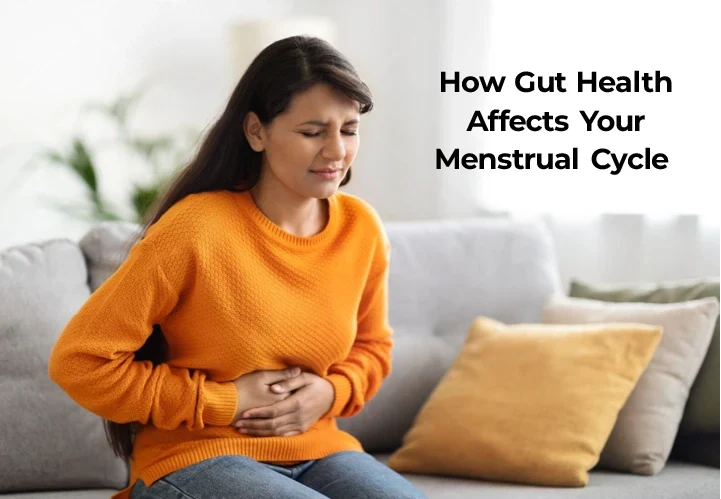
Ever wondered why your periods sometimes bring bloating, cramps, or irregular periods? It’s not just hormones at play. Your gut health matters a lot, too. As someone who’s explored women’s health research, I’ve seen how the trillions of bacteria in your gut, known as the microbiome, impact everything from your mood to menstrual regularity. Let’s break it down simply, using insights from trusted sources like PMC studies and health experts.
The Gut-Hormone Link: Why It Matters
Your gut isn't just for digestion; it's a hormone regulator. A key player is the estrobolome, a gut bacterium that processes estrogen. When balanced, they help recycle or eliminate estrogen properly, keeping your cycle steady. But if bad bacteria take over (dysbiosis), excess estrogen builds up, leading to issues like heavy periods, PMS mood swings, or even PCOS.
Hormonal shifts during your cycle also affect your gut. Progesterone slows digestion in the luteal phase, causing constipation, while prostaglandins (which trigger uterine contractions) can speed things up during your period, resulting in loose stools or diarrhoea. Studies show about 36% of women track these digestive changes, and they're more common if you already have IBS (Irritable Bowel Syndrome) or IBD (Inflammatory Bowel disease).
Common Menstrual Issues Tied to Gut Health
- Irregular Periods: Poor gut health disrupts estrogen balance, making cycles unpredictable.
- PMS and Cramps: Inflammation from an imbalanced gut worsens pain and bloating.
- Hormonal Acne: Excess androgens (fueled by gut inflammation) can trigger breakouts around your period.
- Bloating and Gas: Hormones like estrogen make your intestines more sensitive, amplifying symptoms.
Research from places like Bangalore Gastro Centre highlights how chronic gut inflammation ties into heavier bleeding or severe cramps. If you're dealing with these, your gut might be the hidden culprit.
Simple Ways to Boost Gut Health for Better Periods
Improving your gut can ease menstrual health. Here's how:
- Eat Gut-Friendly Foods: Load up on fiber-rich veggies, fruits, and whole grains to feed good bacteria. Add probiotics from yoghurt, kefir, or sauerkraut to restore balance.
- Stay Hydrated and Active: Drink plenty of water to aid digestion, and try light exercise like walking or yoga to reduce stress and inflammation.
- Avoid Triggers: Cut back on processed sugars and caffeine, which feed bad bacteria.
- Consider Supplements: Probiotics or prebiotics might help, but consult with a doctor first, especially if symptoms persist.
In one study, probiotics improved PCOS symptoms by stabilising hormones. Small changes like these can make your cycles more predictable and less painful.
Final Thoughts
Gut health and your menstrual cycle are deeply connected; nurture one, and the other thrives. If irregularities or severe symptoms linger, see a healthcare professional for personalised advice. Tracking your cycle and digestion empowers you to spot patterns. Prioritise your gut today for smoother periods tomorrow.


