

Blogs
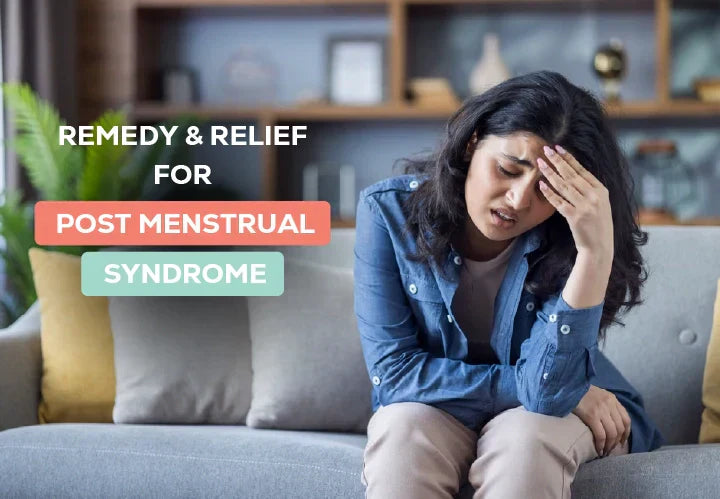

PMS: Symptoms, Causes, and Easy Management Tips
Premenstrual syndrome (PMS) affects millions of women worldwide, but it's often misunderstood. If you're dealing with mood swings, bloating, or fatigue right before your period, you're not alone. In this beginner-friendly guide, we'll break down what PMS is, its common symptoms, possible causes, and practical tips for relief. Drawing from trusted sources like Mayo Clinic, Cleveland Clinic, and Women's Health.gov, we'll keep things simple and straightforward so you can feel more in control. What Is Premenstrual Syndrome (PMS)? PMS refers to a mix of physical and emotional changes that happen 1-2 weeks before your menstrual period starts. It impacts up to 75-90% of menstruating women, with symptoms usually easing once your period begins. For a small group (about 3-8%), a severe form called premenstrual dysphoric disorder (PMDD) can disrupt daily life with intense mood issues like severe depression or anxiety. PMS isn't a disease; it's tied to your body's natural hormone cycle and typically worsens in your 30s or during perimenopause. Common PMS Symptoms Symptoms vary from person to person and can range from mild to bothersome. Track yours in a journal or app to spot patterns. Physical signs include: Bloating, weight gain from fluid retention, or abdominal cramps. Breast tenderness, headaches, or back pain. Fatigue, acne flare-ups, or digestive issues like constipation or diarrhoea. Emotional symptoms might involve: Irritability, mood swings, or crying Anxiety, depression, or trouble concentrating Food cravings, sleep problems, or reduced libido If symptoms interfere with work, school, or relationships, it could signal PMDD, so you have to consult a doctor. What Causes PMS? The exact cause isn't fully known, but hormonal shifts play a big role. During the luteal phase (after ovulation), estrogen and progesterone levels fluctuate, affecting brain chemicals like serotonin, which regulates mood. Factors like stress, poor diet (high in sugar or caffeine), lack of exercise, or family history can make it worse. Smoking and alcohol may also intensify symptoms, according to studies from NCBI and MedlinePlus. When Should You See a Doctor? See a healthcare provider if symptoms are severe or don't improve with home remedies. They'll diagnose based on your symptom diary (over 2-3 cycles) and rule out conditions like thyroid issues or depression. No single test exists, but tracking helps. Easy Ways to Manage PMS Start with lifestyle tweaks for mild cases: Exercise regularly: 30 minutes of walking or yoga daily can reduce mood swings and cramps. Eat smart: Cut back on salt, caffeine, and sugar; load up on fruits, veggies, whole grains, and calcium-rich foods. Prioritise sleep and stress relief: Aim for 7-9 hours of rest; try meditation or deep breathing. Over-the-counter help: NSAIDs like ibuprofen ease pain; consider vitamin B6 or calcium supplements (check with your doctor first). Living with PMS doesn't have to be overwhelming. By understanding your body and making small changes, many women find significant relief. If you're struggling, reach out to a trusted ob-gyn or use resources from ACOG for personalised advice. Remember, you're not alone. Empower yourself with knowledge and support. Frequently Asked Questions What is PMS and when does it start? PMS stands for premenstrual syndrome. It usually starts 1 to 2 weeks before your period and goes away once your period begins. What are the most common symptoms of PMS? Common symptoms include bloating, cramps, tiredness, mood swings, and cravings. Some people may also feel anxious or have trouble sleeping. Why does PMS happen? PMS happens due to changes in hormones like estrogen and progesterone. These changes can also affect brain chemicals like serotonin, which controls mood. How long does PMS last? PMS symptoms usually last a few days to a week. For some people, it may last longer until their period starts. What is the difference between PMS and PMDD? PMDD is a more severe form of PMS. It can cause strong mood changes like depression or anxiety that affect daily life. A doctor should be consulted if symptoms feel intense. Can diet help reduce PMS symptoms? Yes, eating healthy foods can help. Try fruits, vegetables, whole grains, and calcium-rich foods. Avoid too much sugar, salt, and caffeine. What are simple ways to manage PMS at home? Regular exercise, good sleep, and stress control can help a lot. Activities like walking, yoga, and meditation may reduce symptoms. When should I see a doctor for PMS? You should see a doctor if your symptoms are severe or affect your daily life. Tracking your symptoms for a few months can help with diagnosis.
Learn more
Is it Healthy to wear a Panty Liner Every day?
Pantyliners are used for added freshness and protection. But the commonly asked question is, “Is it healthy to wear a pantyliner every day?” Let’s examine the benefits, possible drawbacks, and how to choose the right liner for everyday use. Why Panty Liners Are Used Panty liners are used for multiple purposes, from maintaining hygiene to preventing stains and absorbing vaginal discharge. Many women wear them for freshness, especially on light-spotting days or after their period ends. The liners offer an easy way to stay clean and comfortable throughout the day. Benefits of Wearing a Panty Liner Every Day Panty liners keep you dry and clean by absorbing moisture and sweat. They work as a barrier between minor leaks and your underwear,absorbing discharge stains and spotting. Extra protection can help you feel more secure throughout the day. Potential Drawbacks Some liners contain synthetic materials or fragrances that may cause irritation. If not changed regularly, the liner can trap moisture, increasing the risk of bacterial or yeast infections. Non-breathable liners can cause discomfort, especially in hot and humid weather. How to Wear a Panty Liner and Use it Safely Every Day Choose Breathable Materials: Cotton or natural fibre liners allow better airflow and reduce irritation. Avoid Scented Liners: Fragrances can trigger sensitivity, so opt for fragrance-free options. Change Regularly: Replace your liner every 3 - 4 hours to maintain freshness and hygiene. Give Your Skin a Break: Avoid wearing liners overnight to let your skin breathe. Why Choose Zoy Snow Lotus Pads? If you’re looking for a healthier alternative to regular panty liners, Zoy's Snow Lotus Therapy Pad offer a unique, skin-friendly solution. Unlike traditional pantyliners, these therapy pads are designed to support intimate health rather than just absorb moisture. Infused with Snow Lotus extract, they help soothe, protect, and maintain overall vaginal wellness. Conclusion So, is it healthy to wear a panty liner every day? Yes, if you choose the right product and follow good hygiene practices. If you’re looking for a natural alternative that supports intimate wellness, Zoy Snow Lotus Therapy Pads are a great option. Always listen to your body, and if irritation occurs, consider taking a break from daily use. Are you ready to experience the benefits of Zoy Snow Lotus Therapy Pads? Visit our website today and take your intimate hygiene to the next level! Frequently Asked Questions Is it healthy to wear a panty liner every day? Yes, it can be healthy if you choose a breathable, fragrance-free liner and change it regularly. Good hygiene is important to prevent irritation and infections. What are the benefits of wearing a panty liner daily? Panty liners help absorb light discharge, sweat, and small leaks. They keep your underwear clean and help you feel fresh throughout the day. Can wearing panty liners every day cause infections? If liners are not changed often, they can trap moisture. This may increase the risk of bacterial or yeast infections. Regular changes help reduce this risk. How often should I change a panty liner? It is best to change your panty liner every 3 to 4 hours. This helps keep the area clean, dry, and comfortable. Are scented panty liners safe? Scented liners may cause skin irritation, especially for sensitive skin. Fragrance-free options are usually safer for daily use. Can I wear a panty liner overnight? It is better to avoid wearing a liner overnight. Letting your skin breathe while you sleep helps maintain better intimate health. What is the best material for daily panty liners? Cotton or other breathable materials are the best choice. They allo w airflow and reduce moisture buildupr. When should I stop using panty liners daily? If you notice itching, redness, or discomfort, stop using them and consult a healthcare provider. Your body should feel comfortable and irritation-free.
Learn more