

Blogs

Period Care Tips for Cramps and Heavy Flow
Why Period Care Should Go Beyond Just Pads Let’s be real - periods are not just about bleeding. They bring cramps, heavy flow, skin irritation, and low energy. Some days you feel fine, and some days everything feels harder than usual. Even after your period ends, your body may still feel tired. But most products only focus on one thing - absorption. Good period care should do more. It should help you feel comfortable, clean, and supported through every stage of your cycle. Heavy Flow Problems and How to Handle Them Heavy flow days can feel stressful. You may keep checking for leaks, avoid going out for long hours, or wake up at night just to be safe. This can affect your routine and your sleep. Using high-absorption pads with antibacterial layers can help reduce this stress. They are designed to: Lock in fluid for longer hours Reduce wetness and discomfort Help prevent odor Give better protection during busy days For night use or travel, period panties can be a safer option. They offer full coverage and stay in place, so you can move freely without worry. How to Take Care of Sensitive Skin During Periods Your skin becomes more sensitive during your period. Sweat, heat, and rough materials can cause itching or rashes. That is why choosing soft and breathable products is important. Pads made with organic cotton or herbal layers can help: Reduce irritation Keep airflow steady Prevent rashes Feel soft on the skin Some herbal ingredients are also known to give a cooling and calming effect, which can make you feel more relaxed. Managing Period Odor the Right Way Period odor is completely normal. It happens due to natural body processes. But using strong fragrance to hide it is not the best solution. Instead, products with antibacterial support and pH balance can help control the root cause. They work by: Reducing odor-causing bacteria Supporting healthy intimate balance Keeping you fresh without added perfume This way, you feel clean and confident without using harsh chemicals. What to Do After Your Period Ends Many people think period care ends when bleeding stops. But your body may still need support. You might feel: Slight cramps Bloating Weakness Irregular cycle patterns Using gentle therapy-based products or herbal support can help your body recover. These are designed to: Improve blood circulation Support natural balance Help your body relax This kind of care is helpful, especially for those dealing with irregular periods, white discharge, or postpartum recovery. Choosing Reusable and Eco-Friendly Options If you want a long-term and eco-friendly choice, reusable products are a good option. Menstrual cups can: Hold fluid for 8 to 12 hours Be reused for years Reduce waste Reusable period panties can: Absorb flow effectively Prevent odor Stay useful after many washes They are not only better for the environment but also cost-effective over time. A Smarter Way to Care for Your Period Your period is a natural part of your life. You should not have to adjust your whole routine because of it. With the right care, you can feel more comfortable and confident every day. This is where thoughtful brands like ZOY focus on more than just hygiene. They aim to support your overall period experience with better materials and smarter design. Because period care should feel easy, not stressful. Frequently Asked Questions What causes heavy flow during periods? Heavy flow can happen due to hormonal changes, stress, or health conditions. If it feels too heavy or unusual, it is best to consult a doctor. How can I manage heavy flow safely? Use high-absorption pads or period panties and change them regularly. Staying hydrated and resting also helps. Why does my skin get irritated during periods? Hormonal changes, sweat, and friction from pads can cause irritation. Choosing soft and breathable materials can reduce this. Is period odor normal? Yes, it is completely normal. It is caused by natural bacteria. Proper hygiene and antibacterial products can help manage it. What helps with period cramps? Warm compress, light exercise, and herbal-based products can help reduce cramps. Can I use products after my period ends? Yes, some therapy or herbal products can support your body even after your period and help with recovery. Are reusable menstrual products safe? Yes, if used and cleaned properly, menstrual cups and reusable panties are safe and effective. How do I choose the right period product? Choose based on your flow, skin type, and comfort. For heavy flow, go for high-absorption options. For sensitive skin, choose soft and breathable materials.
Learn more
The Science Behind Period Pain: What’s Really Happening in Your Body
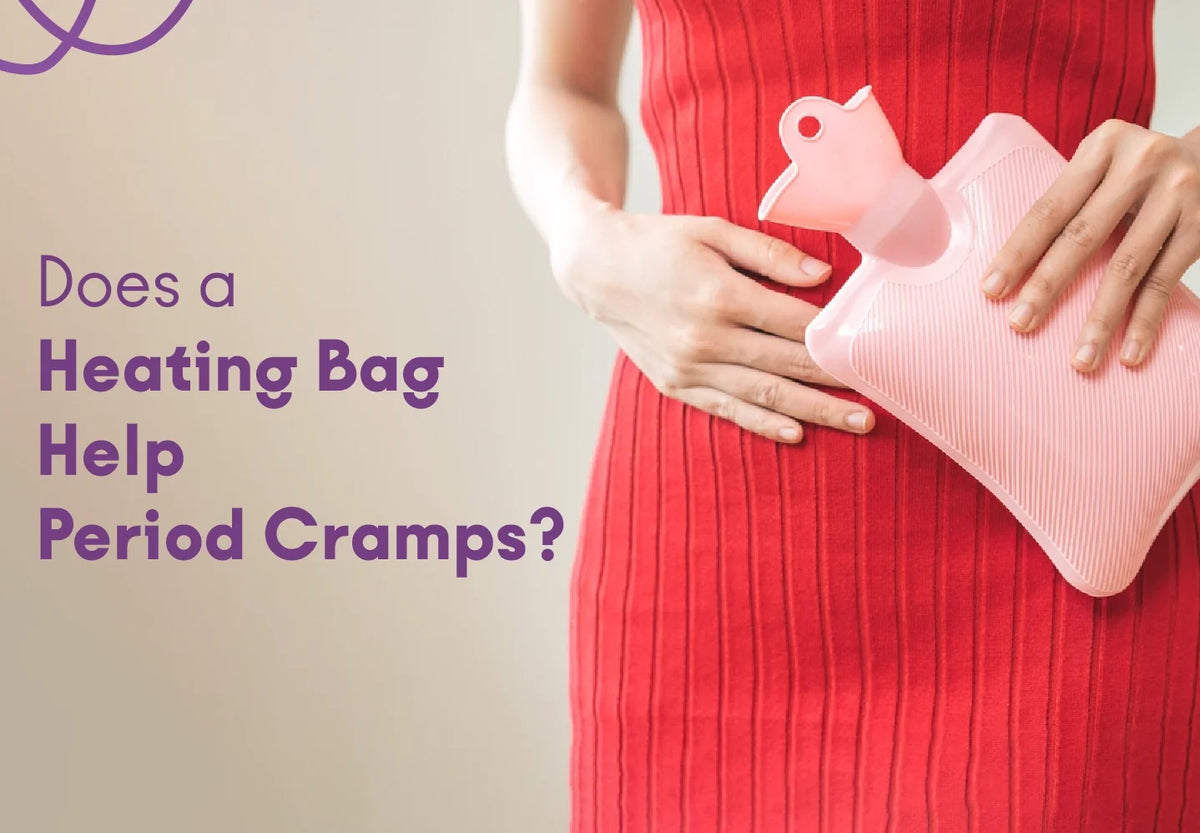
Why do we treat period pain like something women should just “push through”? Cramps.Heaviness.That dull pulling ache in the lower belly. Many girls grow up hearing the same thing: period pain is normal, just deal with it. But the truth is simple. Your body is not being dramatic.Your body is doing real physical work. During your period, the uterus is actively working to shed its lining. This process can cause cramps, fatigue, and discomfort. Understanding what happens inside the body can help you manage your period better. Why Do Period Cramps Happen? Period cramps happen when the body releases natural chemicals called prostaglandins. These chemicals tell the uterus to contract so it can shed its lining during menstruation. Stronger contractions can temporarily reduce oxygen to the uterine muscles. When this happens, the muscles tighten and create pain. This is what causes: cramping in the lower abdomen tightness in the pelvic area inflammation lower back pain tiredness or fatigue So cramps are not a weakness. They are simply muscle activity. Your uterus is doing an important job during your menstrual cycle. Why Some Periods Hurt More Than Others Have you ever noticed that some months feel manageable while other months feel very painful? This is completely normal. Period pain can change from month to month because the body reacts to many daily factors. Pain levels may change due to: stress sleep quality hydration hormone changes blood circulation When the body feels stressed, tired, or inflamed, cramps may feel stronger. Better circulation and relaxation can help the body handle contractions more comfortably. This is why overall comfort during periods is more important than many women realise. Quick Facts About Period Cramps Period cramps are caused by uterine muscle contractions Hormones control how strong the contractions are Stress and poor sleep can make cramps feel worse Breathable menstrual products may improve comfort Good hydration and rest may help reduce discomfort The Problem Many Women Don’t Talk About: Some Pads Can Increase Discomfort Many conventional sanitary pads are made with plastic-heavy layers. These materials often trap heat and block airflow. When airflow is limited, moisture stays against the skin for long hours. This can make the period experience more uncomfortable. It may lead to: sweat build-up skin rashes irritation bacterial growth extra inflammation When the skin feels irritated, the body can feel more tense. Body tension can sometimes make cramps feel worse. Regular pads help manage menstrual flow, but they may not always support comfort during long wear. Can the Type of Sanitary Pad Affect Period Comfort? Yes, the type of sanitary pad can affect how comfortable you feel during your period. Pads that allow better airflow and reduce moisture can help the skin stay dry and comfortable. Soft and breathable materials may also reduce irritation during long hours of wear. Many gynaecologists in India recommend choosing breathable and skin-friendly sanitary pads to reduce discomfort during menstruation. Some modern period products also include herbal ingredients that many women find soothing during painful days. A More Comfortable Approach to Period Care Period care should not only focus on absorption. It should also support comfort. Some sanitary pads now include natural ingredients like Snow Lotus and Aloe Vera, which can create a gentle cooling feel on the skin. These ingredients are not medicines. They simply help create a more comfortable experience during menstruation. Brands like ZOY focus on this idea of comfortable period care - where protection and comfort work together. Small changes in period products can sometimes make a noticeable difference during your cycle. Periods Deserve Care, Not Just Endurance Periods are not problems that women need to “fight.” They are a natural rhythm of the body. When women feel supported and comfortable, managing daily life during periods becomes easier. Work, travel, sleep, and regular activities feel more manageable. Healthy period care is about comfort, confidence, and understanding how the body works. Frequently Asked Questions Why do period cramps happen? Period cramps happen when the body releases chemicals called prostaglandins. These chemicals make the uterus contract to shed its lining during menstruation. Stronger contractions can temporarily reduce oxygen to the muscles, which causes pain, tightness, and lower abdominal cramps. Why do some periods hurt more than others? Period pain can change due to stress, sleep quality, hormone fluctuations, hydration, and blood circulation. These factors affect how the body responds to menstrual contractions each month. Can sanitary pads reduce period cramps? Sanitary pads do not treat cramps directly. However, breathable and skin-friendly pads may reduce irritation and improve comfort during menstruation. How can I reduce period cramps naturally? Many women find relief through rest, hydration, gentle movement, warm compresses, and comfortable menstrual products. How long do period cramps usually last? Period cramps typically last 1 to 3 days, usually starting just before or at the beginning of your period. Pain is usually strongest on the first and second day when prostaglandin levels are highest. Can period cramps be a sign of an underlying condition? Yes, severe or worsening cramps may indicate conditions like endometriosis, PCOS, or fibroids. If your pain is very strong, lasts beyond your period, or does not improve with regular relief methods, consult a gynaecologist. Does heat help with period cramps? Yes, applying a warm compress or heating pad to your lower abdomen can relax the uterine muscles and improve blood flow. Studies show heat can be as effective as pain relief medication for mild to moderate cramps. What foods make period cramps worse? Salty foods, caffeine, alcohol, and sugary snacks can increase bloating, inflammation, and cramping. Reducing these during your period and replacing them with anti-inflammatory foods like ginger, turmeric, and leafy greens may help ease pain.
Learn more
How Gut Health Affects Your Menstrual Cycle
Ever wondered why your periods sometimes bring bloating, cramps, or irregular periods? It’s not just hormones at play. Your gut health matters a lot, too. As someone who’s explored women’s health research, I’ve seen how the trillions of bacteria in your gut, known as the microbiome, impact everything from your mood to menstrual regularity. Let’s break it down simply, using insights from trusted sources like PMC studies and health experts. The Gut-Hormone Link: Why It Matters Your gut isn't just for digestion; it's a hormone regulator. A key player is the estrobolome, a gut bacterium that processes estrogen. When balanced, they help recycle or eliminate estrogen properly, keeping your cycle steady. But if bad bacteria take over (dysbiosis), excess estrogen builds up, leading to issues like heavy periods, PMS mood swings, or even PCOS. Hormonal shifts during your cycle also affect your gut. Progesterone slows digestion in the luteal phase, causing constipation, while prostaglandins (which trigger uterine contractions) can speed things up during your period, resulting in loose stools or diarrhoea. Studies show about 36% of women track these digestive changes, and they're more common if you already have IBS (Irritable Bowel Syndrome) or IBD (Inflammatory Bowel disease). Common Menstrual Issues Tied to Gut Health Irregular Periods: Poor gut health disrupts estrogen balance, making cycles unpredictable. PMS and Cramps: Inflammation from an imbalanced gut worsens pain and bloating. Hormonal Acne: Excess androgens (fueled by gut inflammation) can trigger breakouts around your period. Bloating and Gas: Hormones like estrogen make your intestines more sensitive, amplifying symptoms. Research from places like Bangalore Gastro Centre highlights how chronic gut inflammation ties into heavier bleeding or severe cramps. If you're dealing with these, your gut might be the hidden culprit. Simple Ways to Boost Gut Health for Better Periods Improving your gut can ease menstrual health. Here's how: Eat Gut-Friendly Foods: Load up on fiber-rich veggies, fruits, and whole grains to feed good bacteria. Add probiotics from yoghurt, kefir, or sauerkraut to restore balance. Stay Hydrated and Active: Drink plenty of water to aid digestion, and try light exercise like walking or yoga to reduce stress and inflammation. Avoid Triggers: Cut back on processed sugars and caffeine, which feed bad bacteria. Consider Supplements: Probiotics or prebiotics might help, but consult with a doctor first, especially if symptoms persist. In one study, probiotics improved PCOS symptoms by stabilising hormones. Small changes like these can make your cycles more predictable and less painful. Final Thoughts Gut health and your menstrual cycle are deeply connected; nurture one, and the other thrives. If irregularities or severe symptoms linger, see a healthcare professional for personalised advice. Tracking your cycle and digestion empowers you to spot patterns. Prioritise your gut today for smoother periods tomorrow. Frequently Asked Questions What is the link between gut health and the menstrual cycle? Gut health affects how your body handles hormones like estrogen. A healthy gut helps keep hormones balanced, which supports a regular and smoother menstrual cycle. Can poor gut health cause irregular periods? Yes, poor gut health can affect hormone balance. This may lead to irregular periods or changes in your cycle timing. Why do I feel bloated during my period? Bloating happens because hormones can slow digestion and make your gut more sensitive. This can cause gas, fullness, or discomfort. Can gut health affect PMS symptoms? Yes, an unhealthy gut can increase inflammation. This may make PMS symptoms like cramps, mood swings, and fatigue feel worse. Does gut health play a role in hormonal acne? Yes, gut imbalance can affect hormones that control oil production. This may lead to breakouts, especially around your period. What are the signs of poor gut health? Common signs include bloating, constipation, diarrhoea, gas, and stomach pain. These may get worse during your menstrual cycle. How can I improve my gut health naturally? Eat more fruits, vegetables, and fibre-rich foods. Add probiotics like yoghurt, drink enough water, and stay active. These habits support a healthy gut. When should I see a doctor for gut or period issues? You should see a doctor if you have severe pain, very irregular periods, or long-lasting gut problems. A doctor can help find the root cause and guide treatment.
Learn more
Does Chocolate Help with Period Cramps?
If you're someone who reaches for a chocolate bar during your period, you're not alone. Many people crave chocolate when cramps hit, but does it actually help? The good news is, science suggests it might be, especially if you choose dark chocolate. In this post, we'll dive into what the research says, why it could work, and some tips to make it part of your period routine. Why Dark Chocolate Might Ease Menstrual Pain Period cramps, or dysmenorrhea, happen when your uterus contracts to shed its lining, often triggered by hormone-like compounds called prostaglandins. Dark chocolate could help because it's packed with magnesium, a mineral that relaxes muscles and may reduce those contractions. One ounce of 70-85% dark chocolate gives you about 15% of your daily magnesium needs, compared to just 4% in milk chocolate. Small studies back this up. Studies show that teens who ate 40 grams of dark chocolate daily for the first three days of their period reported less pain than those who drank chocolate milk. Another study with university students found that dark chocolate outperformed milk chocolate in easing cramps. Even a Turkish trial combining dark chocolate with music showed reduced pain and anxiety in young women with primary dysmenorrhea. Copper in dark chocolate might play a role, too, by boosting endorphins, your body's natural painkillers. Plus, its anti-inflammatory flavonoids could dial down swelling. However, these studies are small, so more research is needed for stronger proof. Dark vs. Milk Chocolate: Which is Better? Stick to dark chocolate with at least 70% cocoa for the best benefits. It's lower in sugar and higher in nutrients. Milk chocolate might taste sweeter, but it won't pack the same punch and could worsen bloating due to extra calories. Aim for 40-120 grams daily during cramps, but don't overdo it to avoid sugar spikes. Other Ways Chocolate Helps During Periods Beyond cramps, dark chocolate can lift your mood by increasing serotonin and endorphins. It might even boost energy with a bit of caffeine and iron, helping combat fatigue. Just pair it with a balanced diet, things like bananas, nuts, or salmon for extra magnesium and omega-3s. If cramps are severe, consult a doctor, as they could signal issues like endometriosis. Other remedies include ibuprofen, heat pads, yoga, or ginger tea. In summary, yes, dark chocolate can help with period cramps thanks to its magnesium and anti-inflammatory perks. It's a tasty, natural option, but moderation is key. Try adding a square to your snack routine next cycle and see how you feel. Frequently Asked Questions Does chocolate really help with period cramps? Yes, dark chocolate may help reduce cramps. It contains magnesium, which can relax muscles and ease pain. Why is dark chocolate better than milk chocolate during periods? Dark chocolate has more magnesium and less sugar. Milk chocolate has more sugar and fewer nutrients, which may not help as much. How much dark chocolate should I eat for period pain? You can have a small amount like 40 to 50 grams a day. Eating too much may cause sugar spikes, so keep it balanced. Can chocolate improve mood during periods? Yes, chocolate can boost serotonin and endorphins. These chemicals help improve mood and reduce stress. Does chocolate help with period fatigue? Dark chocolate has a little caffeine and iron. This can give a small energy boost and help with tiredness. Are there any side effects of eating chocolate during periods? Too much chocolate, especially milk chocolate, can cause bloating or weight gain. It is best to eat it in moderation. What other foods help reduce period cramps? Foods like bananas, nuts, leafy greens, and fish can help. They have nutrients like magnesium and omega 3 that support the body. When should I see a doctor for period cramps? You should see a doctor if the pain is very strong or does not improve. It may be a sign of a health issue that needs treatment.
Learn more
Healthy Diet for Periods: Ease Cramps & Bloating
Dealing with periods can feel like a monthly struggle, such as cramps, bloating, and mood swings, which can really take a toll. As a registered dietitian specialising in women’s health, I’ve seen how the right foods can transform your menstrual experience. Drawing from trusted sources like the Cleveland Clinic and Healthline, here’s a simple, research-backed guide to a healthy diet for periods that eases symptoms and keeps you feeling your best. Why Diet Matters for Your Menstrual Cycle? Hormone shifts during your cycle affect energy, appetite, and inflammation. A 2017 study from the International Journal of Molecular Sciences shows that poor nutrition and stress can disrupt estrogen and progesterone, worsening PMS. A nutrient-rich diet reduces inflammation, stabilises blood sugar, and replenishes iron lost during bleeding, helping you tackle periods with ease. Best Foods to Eat During Your Period Focus on anti-inflammatory, nutrient-packed foods to fight fatigue, period pain, and cravings. Here’s what to include: Water and Herbal Teas: Drink 2-3 litres of water daily to reduce bloating. Peppermint or ginger tea can ease cramps and nausea, per a 2016 study on PMS relief. Iron-Rich Foods: Spinach, kale, chicken, fish, lentils, and beans boost iron to combat tiredness. Omega-3s in salmon or flaxseeds cut pain intensity, according to a 2012 study. Fruits and Complex Carbs: Bananas (potassium for bloating), berries (vitamin C for iron absorption), and quinoa or sweet potatoes keep energy steady without sugar crashes. Anti-Inflammatory Picks: Turmeric’s curcumin reduces PMS severity, dark chocolate (70% cocoa) offers magnesium for relaxation, and almonds provide healthy fats. Probiotics: Yoghurt or kombucha supports gut health, preventing yeast infections common during periods. Try a spinach salad with chicken and berries or sip ginger-turmeric tea with a square of dark chocolate. Foods to Avoid for a Healthier Period Steer clear of foods that increase inflammation or discomfort: Salty and Processed Foods: Chips and fast food cause water retention and bloating. Sugar and Caffeine: Excess sugar triggers mood swings; coffee may prolong heavy flows. Alcohol and Spicy Foods: These dehydrate and upset your stomach, worsening nausea. Red Meat and Dairy (if sensitive): High in prostaglandins, they can intensify cramps. Opt for plant-based options if dairy’s an issue. Easy Tips for Success Track your cycle with an app to plan meals and add more carbs in the luteal phase for energy. Supplements like magnesium (300mg daily) or vitamin D may help, but consult your doctor. Pair with light exercise like walking for better results. A healthy diet for periods empowers you to feel better. People often notice less pain and more energy after a few cycles. Start with one change today, and if symptoms persist, consult a healthcare provider. Frequently Asked Questions What foods help reduce period cramps fast? Foods with magnesium and omega-3 fats can help ease cramps. Try bananas, dark chocolate, almonds, and fatty fish like salmon. Ginger tea may also help relax your muscles and reduce pain. How much water should I drink during my period? You should aim for about 2 to 3 litres of water each day. Drinking enough water can reduce bloating and help your body feel less heavy. Can diet really affect period pain and mood? Yes, what you eat can change how you feel. Healthy foods can lower inflammation, balance hormones, and keep your blood sugar steady. This can help reduce cramps, mood swings, and fatigue. Which fruits are best to eat during periods? Bananas, berries, and oranges are great choices. Bananas help with bloating, while berries and oranges give vitamin C, which helps your body absorb iron better. What foods should I avoid during my period? Try to avoid salty snacks, sugary foods, and too much coffee. These can cause bloating, mood swings, and discomfort. Alcohol and very spicy foods may also upset your stomach. Is coffee bad during periods? Too much coffee can make cramps worse for some people. It may also increase anxiety and disturb sleep. Try herbal teas like ginger or peppermint instead. Do I need extra iron during my period? Yes, your body loses some iron during bleeding. Eating iron-rich foods like spinach, lentils, chicken, or fish can help prevent tiredness and weakness. Can probiotics help during periods? Yes, probiotics like yoghurt can support gut health. They may help reduce bloating and lower the chance of infections during your period.
Learn more