

Blogs

The Science Behind Period Pain: What’s Really Happening in Your Body
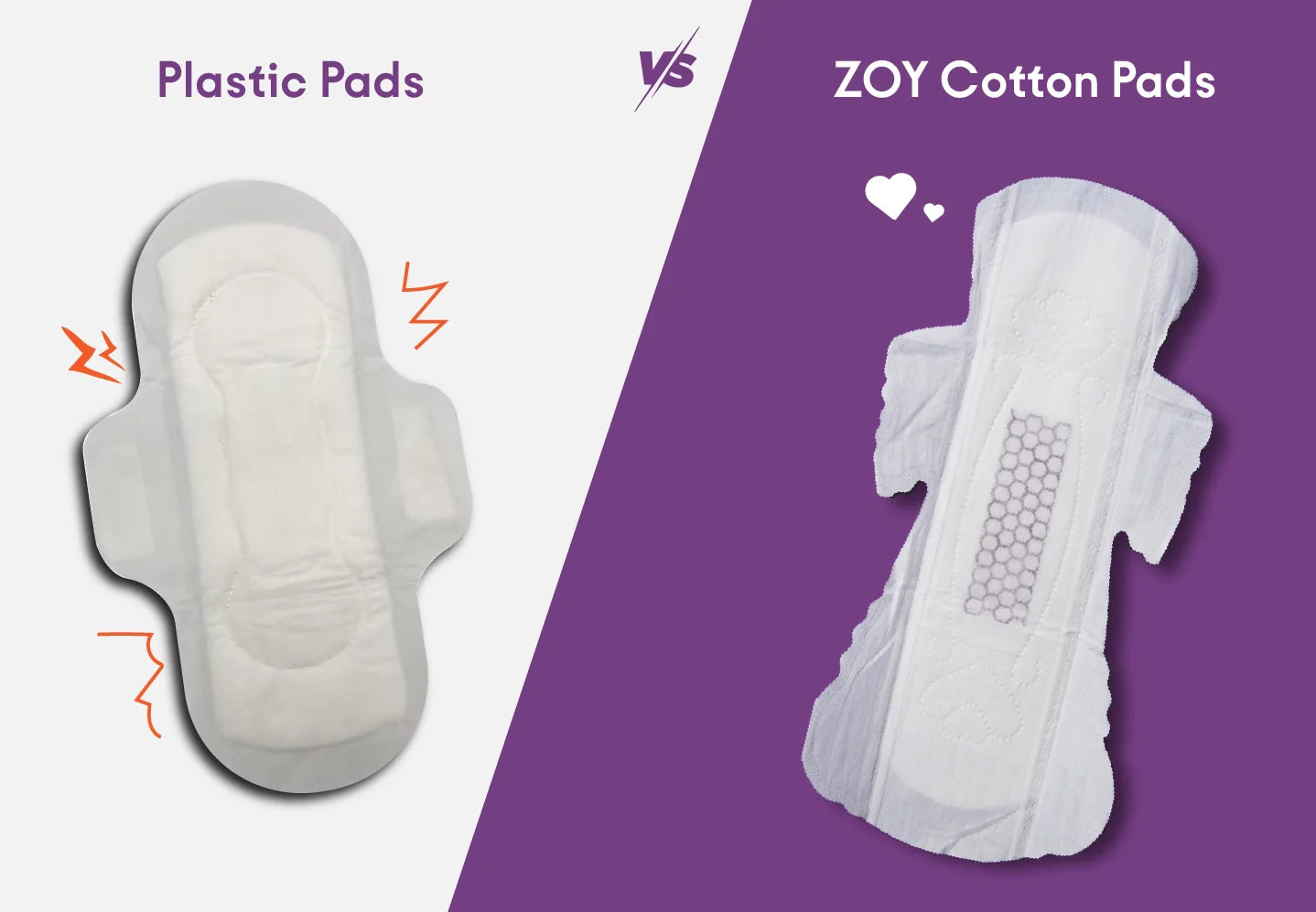
Why do we treat period pain like something women should just “push through”? Cramps.Heaviness.That dull pulling ache in the lower belly. Many girls grow up hearing the same thing: period pain is normal, just deal with it. But the truth is simple. Your body is not being dramatic.Your body is doing real physical work. During your period, the uterus is actively working to shed its lining. This process can cause cramps, fatigue, and discomfort. Understanding what happens inside the body can help you manage your period better. Why Do Period Cramps Happen? Period cramps happen when the body releases natural chemicals called prostaglandins. These chemicals tell the uterus to contract so it can shed its lining during menstruation. Stronger contractions can temporarily reduce oxygen to the uterine muscles. When this happens, the muscles tighten and create pain. This is what causes: cramping in the lower abdomen tightness in the pelvic area inflammation lower back pain tiredness or fatigue So cramps are not a weakness. They are simply muscle activity. Your uterus is doing an important job during your menstrual cycle. Why Some Periods Hurt More Than Others Have you ever noticed that some months feel manageable while other months feel very painful? This is completely normal. Period pain can change from month to month because the body reacts to many daily factors. Pain levels may change due to: stress sleep quality hydration hormone changes blood circulation When the body feels stressed, tired, or inflamed, cramps may feel stronger. Better circulation and relaxation can help the body handle contractions more comfortably. This is why overall comfort during periods is more important than many women realise. Quick Facts About Period Cramps Period cramps are caused by uterine muscle contractions Hormones control how strong the contractions are Stress and poor sleep can make cramps feel worse Breathable menstrual products may improve comfort Good hydration and rest may help reduce discomfort The Problem Many Women Don’t Talk About: Some Pads Can Increase Discomfort Many conventional sanitary pads are made with plastic-heavy layers. These materials often trap heat and block airflow. When airflow is limited, moisture stays against the skin for long hours. This can make the period experience more uncomfortable. It may lead to: sweat build-up skin rashes irritation bacterial growth extra inflammation When the skin feels irritated, the body can feel more tense. Body tension can sometimes make cramps feel worse. Regular pads help manage menstrual flow, but they may not always support comfort during long wear. Can the Type of Sanitary Pad Affect Period Comfort? Yes, the type of sanitary pad can affect how comfortable you feel during your period. Pads that allow better airflow and reduce moisture can help the skin stay dry and comfortable. Soft and breathable materials may also reduce irritation during long hours of wear. Many gynaecologists in India recommend choosing breathable and skin-friendly sanitary pads to reduce discomfort during menstruation. Some modern period products also include herbal ingredients that many women find soothing during painful days. A More Comfortable Approach to Period Care Period care should not only focus on absorption. It should also support comfort. Some sanitary pads now include natural ingredients like Snow Lotus and Aloe Vera, which can create a gentle cooling feel on the skin. These ingredients are not medicines. They simply help create a more comfortable experience during menstruation. Brands like ZOY focus on this idea of comfortable period care - where protection and comfort work together. Small changes in period products can sometimes make a noticeable difference during your cycle. Periods Deserve Care, Not Just Endurance Periods are not problems that women need to “fight.” They are a natural rhythm of the body. When women feel supported and comfortable, managing daily life during periods becomes easier. Work, travel, sleep, and regular activities feel more manageable. Healthy period care is about comfort, confidence, and understanding how the body works. Frequently Asked Questions Why do period cramps happen? Period cramps happen when the body releases chemicals called prostaglandins. These chemicals make the uterus contract to shed its lining during menstruation. Stronger contractions can temporarily reduce oxygen to the muscles, which causes pain, tightness, and lower abdominal cramps. Why do some periods hurt more than others? Period pain can change due to stress, sleep quality, hormone fluctuations, hydration, and blood circulation. These factors affect how the body responds to menstrual contractions each month. Can sanitary pads reduce period cramps? Sanitary pads do not treat cramps directly. However, breathable and skin-friendly pads may reduce irritation and improve comfort during menstruation. How can I reduce period cramps naturally? Many women find relief through rest, hydration, gentle movement, warm compresses, and comfortable menstrual products. How long do period cramps usually last? Period cramps typically last 1 to 3 days, usually starting just before or at the beginning of your period. Pain is usually strongest on the first and second day when prostaglandin levels are highest. Can period cramps be a sign of an underlying condition? Yes, severe or worsening cramps may indicate conditions like endometriosis, PCOS, or fibroids. If your pain is very strong, lasts beyond your period, or does not improve with regular relief methods, consult a gynaecologist. Does heat help with period cramps? Yes, applying a warm compress or heating pad to your lower abdomen can relax the uterine muscles and improve blood flow. Studies show heat can be as effective as pain relief medication for mild to moderate cramps. What foods make period cramps worse? Salty foods, caffeine, alcohol, and sugary snacks can increase bloating, inflammation, and cramping. Reducing these during your period and replacing them with anti-inflammatory foods like ginger, turmeric, and leafy greens may help ease pain.
Learn more
Best Organic Sanitary Pads in India: Zoy for Comfort & Safety
If you're someone who hates rashes, leaks, or harsh chemicals during your period, you're not alone. Thousands of women feel the same, but the good news is, there's a better way. Zoy brings you 100% certified organic sanitary pads made from pure organic cotton: no bleach, no dyes, no fragrances, no harmful chemicals. In this post, we'll explore why so many Indian women have switched to Zoy organic sanitary pads, how they keep you comfortable and worry-free, and why you might never go back. Why Choose Zoy Organic Period Pads? · Skin-friendly: Soft organic cotton top sheet prevents irritation, even for sensitive skin. · Super absorbent: Locks wetness instantly without chemical gels. · Leak-proof & secure: Soft wings and extra adhesive keep the pad in place all day or night. · Breathable: Reduces stuffiness and keeps you fresh naturally. · Eco-friendly: Fully biodegradable – breaks down in months, not centuries. Zoy offers sizes for every need: ultra-thin for light days, regular, maxi, overnight with a wider back, and extra-long for heavy flow or night use. How Zoy Supports Your Lifestyle Whether you’re heading to work, college, gym, or traveling, Zoy period pads move with you. The feather-soft surface and quiet wrapper make changes discreet and easy. Many users love the individually folded packs that fit perfectly in handbags – no more bulky plastic sounds! What Doctors Say About Organic Sanitary Pads Gynaecologists often suggest switching to chemical-free pads. Regular sanitary pads contain traces of dioxins, pesticides, VOCs, Phthalates, and plastics that can absorb into the skin over time. Zoy follows strict international standards, is dermatologically tested, and is proudly transparent about every layer inside. Easy & Affordable Period Care Zoy organic sanitary napkins are now available across India with doorstep delivery. Enjoy a special discount on your first purchase, plus value combo packs to discover your perfect fit and save extra. One small change, one big difference – give your body the pure care it truly deserves. Zoy Products – Comfort. Care. Confidence. Experience the best organic pads in India. Order now and feel the difference from day one! Frequently Asked Questions What are organic sanitary pads and how are they different from regular pads? Organic sanitary pads are made from natural materials like organic cotton. They do not contain bleach, plastic, or harmful chemicals. Regular pads may have synthetic layers that can sometimes irritate the skin. Are organic sanitary pads better for sensitive skin? Yes, they are gentle and soft. Organic cotton helps reduce rashes, itching, and discomfort. They are a good choice for women with sensitive skin. Do organic sanitary pads absorb well during heavy flow? Yes, good quality organic pads absorb well and keep you dry. They are designed to handle different flow levels without using harsh chemicals. Can organic sanitary pads help prevent period rashes? They can help reduce rashes. Since they are free from chemicals and allow the skin to breathe, they lower the chance of irritation during long hours of use. Are organic sanitary pads safe to use every day during periods? Yes, they are safe for daily use. They are made with clean and non-toxic materials, making them suitable for all days of your period. Why are more women in India choosing organic sanitary pads? Many women are becoming more aware of health and hygiene. They prefer products that are safe, comfortable, and free from harmful chemicals. Are organic sanitary pads eco-friendly? Yes, most organic pads are biodegradable. They break down faster than regular plastic pads and help reduce environmental waste. Are Zoy organic sanitary pads a good option to switch from regular pads? Yes, many users find them soft, comfortable, and safe. They are a good option if you want to move to a more natural and skin-friendly choice.
Learn more
Breaking Menstrual Taboos in India: Myths, Impacts, and Paths to Empowerment
Menstruation, a natural part of every woman's life, remains shrouded in stigma across India. From rural villages to urban homes, taboos label periods as "impure," forcing millions into silence and isolation. This blog explores these deep-rooted menstrual taboos in India, their harmful effects, and simple steps toward change. If you're new to this topic, don't worry, we'll break it down plainly, like chatting over tea. The Roots of Menstrual Taboos In Indian culture, myths trace back to ancient Vedic stories, where menstruation is seen as a "curse" of impurity. Women are often barred from kitchens, temples, and even touching family members during their cycle. In some homes, girls can't enter the puja room or cook, fearing they "spoil" food like pickles. Rural areas amplify this: menstruating women might sleep separately or avoid bathing to not "pollute" water sources. These beliefs aren't just old tales; they stem from a lack of open talk. A UNICEF study shows 71% of girls learn about periods only after their first one, sparking fear and confusion. Real-Life Impacts on Women and Girls These taboos hit hard. Health-wise, poor hygiene from using rags, ashes, or leaves instead of pads leads to infections, 70% of reproductive diseases in India link to this. Only 36% of 355 million menstruating women use sanitary napkins; the rest risk cervical cancer and urinary issues. Schools suffer too: 23 million girls drop out yearly post-menarche, missing classes due to no toilets or shame from stains. Emotionally, it's tougher. The hidden pain of cramps, bloating, and mood swings often blends into post-menstrual blues, a lingering low mood after bleeding stops, worsened by secrecy and judgment. Families whisper about "monthly problems," wrapping pads in black bags like secrets, leaving girls feeling alone and ashamed. Breaking the Silence: Hope on the Horizon Change is brewing. Initiatives like Ujaas distribute free pads to over 120,000 girls, running school sessions to bust myths. The government's 2018 tax cut on sanitary products made them cheaper, while films like Padman and Period. End of Sentence. spark nationwide chats. NGOs train boys to support sisters, and social media lets women share stories, though trolls persist. Experts urge simple starts: talk openly at home, teach hygiene in schools, and build more girl-friendly toilets. Menstrual taboos in India aren't unbreakable; they're habits we can unlearn. By normalising periods as healthy biology, not shame, we empower girls to chase dreams without fear. Let's chat about it: Have you faced these myths? Share below. Together, we end the stigma. Take a Step Toward Healthier. Shame-Free Periods Breaking menstrual taboos starts with better conversations and better choices. If you’re looking for period care that prioritises comfort, care, and confidence, explore ZOY’s range of Graphene, Herbal, and advanced sanitary products designed for Indian women. Discover ZOY, Choose comfort, Choose care, Choose confidence. Because periods are natural, caring for them should be too. Frequently Asked Questions What are menstrual taboos in India? Menstrual taboos are beliefs that treat periods as dirty or impure. In many homes, girls are told not to enter temples, kitchens, or take part in daily activities during their period.which can create pain or tightness. Why do people still believe in period myths? Many myths come from old traditions and lack of education. People often follow what they were taught without questioning it. Open conversations about periods are still limited in many places. How do menstrual taboos affect girls and women? These taboos can make girls feel ashamed and scared. They may avoid school, hide their pain, or feel isolated. This can affect their confidence and mental health. Do menstrual taboos impact girls' education in India? Yes, many girls miss school during their periods. Some drop out because of poor hygiene facilities, lack of awareness, or fear of embarrassment. What health problems can happen due to poor menstrual hygiene? Using unsafe materials like old cloth or not changing pads regularly can cause infections. It may also lead to long-term health issues if proper care is not taken. How can we break menstrual stigma in society? We can start by talking openly about periods at home and in schools. Teaching both boys and girls helps remove shame. Small steps can create big change over time. What role do parents and schools play in menstrual awareness? Parents and teachers should educate children early. Clear and simple guidance helps girls feel prepared and confident when they get their first period. How can better period products support comfort and confidence? Safe and comfortable products can reduce stress during periods. Many women today are choosing options like organic or herbal pads, such as those offered by Zoy, for a more skin-friendly experience.
Learn more
Period Pain: Natural Remedies and Yoga Poses to Ease your Cramps
Let’s face it, menstrual cramps can knock you sideways, turning everyday life into a battle against bloating, aches, and fatigue. Drawing from extensive research on dysmenorrhea (the fancy way of saying period pain), small, natural tweaks can make a real difference. Several studies show yoga can reduce pain intensity by around 32% in some cases. Harness the Power of Warmth Heat relaxes uterine muscles and eases tension. A few studies confirm it’s as effective as ibuprofen for many women with period pain. Try a heating pad on your lower belly, a warm Epsom salt bath, or portable patches. Gentle Movement: 5 Yoga Poses for Targeted Relief Light yoga boosts endorphins and cuts prostaglandins behind contractions. Here are five easy poses:1. Child’s Pose: Kneel, fold forward. Hold 2 minutes.2. Cat-Cow Flow: Alternate arching/rounding spine for 8-10 rounds.3. Reclining Butterfly: Feet together, knees open. Relax 3-5 minutes.4. Supine Twist: Hug knee across body; 30 seconds per side.5. Legs Up the Wall: Legs up for 5 minutes.Practice daily for prevention. Nourish to Fight Inflammation Anti-inflammatory foods help: Ginger tea rivals ibuprofen in trials for reducing pain severity. Add magnesium-rich dark chocolate, greens, and nuts; avoid caffeine and salt. Upgrade Your Period Products Herbal-infused pads like Zoy’s with snow lotus and ginger powder, and nut grass soothe naturally. Why This Approach Wins These methods address pain holistically, often cutting med reliance. If the pain disrupts your day-to-day life, consult a doctor Frequently Asked Questions What causes period pain? Period pain is caused by natural chemicals in the body called prostaglandins. These chemicals make the uterus contract to help shed the lining, which can lead to cramps. Can yoga really help reduce period pain? Yes, studies show that regular yoga may reduce the intensity of menstrual cramps. Gentle movement helps improve blood flow, relax muscles, and reduce stress. Which yoga poses are best for period cramps? Simple poses like Child’s Pose, Cat-Cow, Reclining Butterfly, Supine Twist, and Legs Up the Wall can help. These poses are gentle and support relaxation. Does heat help with menstrual cramps? Yes, using a heating pad or warm bath can relax uterine muscles and reduce pain. Heat therapy is often as effective as pain medicine for many people. Can food help reduce period pain? Yes, anti-inflammatory foods like ginger, leafy greens, nuts, and dark chocolate may help. Ginger tea is especially known to reduce pain and bloating. How often should I practice yoga for period pain relief? Practicing gentle yoga daily can help prevent cramps and improve overall menstrual health. Even 10 to 20 minutes a day can make a difference. Are herbal period products helpful for cramps? Some people find comfort in herbal-infused pads that contain natural ingredients. Products designed with soothing herbs may provide extra comfort during periods. When should I see a doctor for period pain? You should see a doctor if the pain is very severe, lasts many days, or affects your daily life. Strong pain could be a sign of a condition that needs medical care.
Learn more
How To Choose Good Sanitary Pads for Maximum Comfort
Choosing good sanitary pads with comfort, protection, and health to maintain menstrual hygiene is crucial. With so many variations, finding the best sanitary pads that suit your needs can be exhausting. This complete guide will help you understand what makes a good sanitary pad and how to pick the correct one. What makes a good sanitary pad? A good sanitary pad should offer: 1. High Absorbency Understand your body and your menstrual cycle to choose a pad that suits you best. Look for sanitary pads designed to absorb heavy flow without leakage. Premium quality products come with advanced absorption technology, ensuring protection for long hours. 2. Comfort & Softness Look for soft pads that are friendly to your skin to prevent irritation and rashes. Pick ultra-soft, breathable materials for a rash-free experience. 3. Leak-Proof Protection A good sanitary napkin should have secure leak-proof technology and carefully designed wings to keep you protected. 4. Hygiene The sanitary napkin you pick should have a breathable layer, and it should allow airflow, reducing moisture and discomfort. Some brands include next-gen materials like graphene-infused layers to maintain hygiene and freshness. 5. Skin-Friendly Some sanitary napkins have chemical-induced fragrances to mask the odour. Scented pads may seem like the best choice, but there is a chance that they might cause skin irritation or allergic reactions for people with sensitive skin. How to choose the right sanitary napkin for your needs? Choosing a suitable sanitary pad is determined by your flow, lifestyle, and skin sensitivity. If you have a heavy flow, choose a pad with high absorbency and leak-proof wings. Longer pads with more coverage are good for nighttime use. If your skin is sensitive, choose organic or herbal-infused pads to reduce discomfort. Why consider Zoy Sanitary Pads? For people looking for premium menstrual care, opt for Zoy sanitary napkins, which offer a balance of absorbency, comfort, and skin safety. They protect by being gentle on the skin. Benefits of Zoy Napkins: Graphene and herbal-infused pads for additional health advantages. Ultra-thin and very absorbent for all-day dryness. Rash-free and Chemical-free material for irritation-free use. Eco-friendly and sustainable solutions are available. Multiple sizes and types to meet varied flow levels and demands. Conclusion Selecting good sanitary pads is essential for your health. While selecting your pad, focus on absorbency, comfort, breathability, and skin safety. For people looking for a trustworthy option, Zoy sanitary napkins provide good-quality protection and comfort for stress-free menstrual days. Frequently Asked Questions What should I look for in a good sanitary pad? A good sanitary pad should have high absorbency, soft material, leak-proof wings, and good breathability. It should keep you dry, comfortable, and protected for several hours. How do I choose the right pad for my flow? If you have heavy flow, choose a pad with high absorbency and longer coverage. For light flow, a thinner pad may be enough. Always match the pad to your flow level. Are soft and breathable pads better? Yes, soft and breathable pads help reduce skin irritation and rashes. Breathable layers allow air to flow and keep moisture away from the skin. Do scented sanitary pads cause problems? Some scented pads may cause skin irritation or allergies, especially for sensitive skin. Fragrance-free pads are usually a safer choice. Why is leak-proof protection important in sanitary pads? Leak-proof wings and secure layers help prevent side leaks. This is especially important during heavy flow or while sleeping. Are ultra-thin sanitary pads effective? Yes, many ultra-thin pads use advanced absorbent technology. They can provide strong protection while still feeling light and comfortable. How do I choose pads for night time use? For night use, choose longer pads with higher absorbency and wide wings. This gives extra coverage and helps prevent leaks while you sleep. Are eco-friendly sanitary pads a good option? Yes, eco-friendly pads can reduce environmental waste. Many brands now offer biodegradable or sustainable options that are safe and comfortable to use.
Learn more
Which is Better: Menstrual Cups or Pads
Various types of period protection products, from sanitary pads to period panties and cups, are available in the market. However, the craze for menstrual cups and disposable pads is constantly rising. In this article, we have listed some pros and cons of both products to help you choose a better one. Menstrual Cup Use This silicone product is a small, flexible, funnel-shaped cup that is inserted into your vaginal area to collect the menstrual blood. Period cups are also made in various sizes and materials; the main difference between them is whether they are stemmed or unstemmed. Stemmed cups are easy to remove, but they sometimes cause discomfort. Unstemmed is the most preferred model, and it doesn’t cause discomfort. Period cups are mostly sold in small and large sizes, Small - It is for people under 30 with light to medium flow. Large - It is for heavy flow and people over 30. Some brands even offer “Teen” size, which is smaller than the small size. Brands like Zoy offer 100% medical-grade menstrual cups that are preferred among women today. Before trying a period cup, it’s good to know both the benefits and possible menstrual cup side effects, including infections or improper fit. Pros of Using a Menstrual Cup Cost-effective Eco-friendly Comfortable Fewer leaks Less odour Cons of Using a Menstrual Cup Picking the right size Leaks Urinary problems Infections Allergic reactions Sanitary Pads Sanitary pads in India are a go-to menstrual product for women during their period days. The pads are designed to absorb menstrual fluid, maintain hygiene, and prevent leakage. With numerous options in the market, it might be hard to choose the correct one that suits your body and lifestyle. Period pads come with multiple options: length, thickness, disposable, reusable, scented, and pads with and without wings. Every pad differs based on brand, and each one offers different things. Some offer high absorbency, overnight use, and are odour-free. However, brands like Zoy offer organic sanitary napkins, pads with medicated chips, and more. Before choosing a product, it is best to check online reviews and brand reputation. Sanitary Napkin Pros Comfort Absorbency Easy to use Convenience Biodegradability Breathability Fewer Health Risks Sanitary Napkin Cons Chemicals Skin irritation Infections Environmental impact Hormonal disruption Smell Menstrual cups and pads may seem like the best choice for a healthier lifestyle. But the products you choose must be based on your needs and flows. So, when it comes to selecting a product, it doesn’t have to be an either-or choice; you can use a menstrual cup on heavy flow days and a sanitary napkin at the end of the period cycle. Frequently Asked Questions Which is better, menstrual cups or sanitary pads? Both are good options. The best choice depends on your comfort, flow level, lifestyle, and personal preference. How does a menstrual cup work? A menstrual cup is a small, flexible cup made of medical-grade silicone. It is inserted into the vagina to collect menstrual blood and can be reused after cleaning. Are menstrual cups safe to use? Yes, menstrual cups are safe when used correctly and cleaned properly. It is important to choose the right size and follow hygiene guidelines. What are the benefits of using a menstrual cup? Menstrual cups are eco-friendly, cost-effective, and can hold more blood than pads.They can also be worn for several hours without changing. What are the disadvantages of menstrual cups? Some people may find it hard to insert or remove the cup at first. Choosing the wrong size may cause leaks or discomfort. Are sanitary pads safe for daily use? Yes, sanitary pads are safe when changed regularly. It is important to choose breathable, fragrance-free options to reduce skin irritation. What are the benefits of using sanitary pads? Pads are easy to use, comfortable, and do not require insertion. They are a good option for beginners and for overnight use. Can I use both menstrual cups and pads? Yes, you can use both based on your needs. Some people use a menstrual cup during heavy flow days and pads on lighter days for extra comfort.
Learn more