

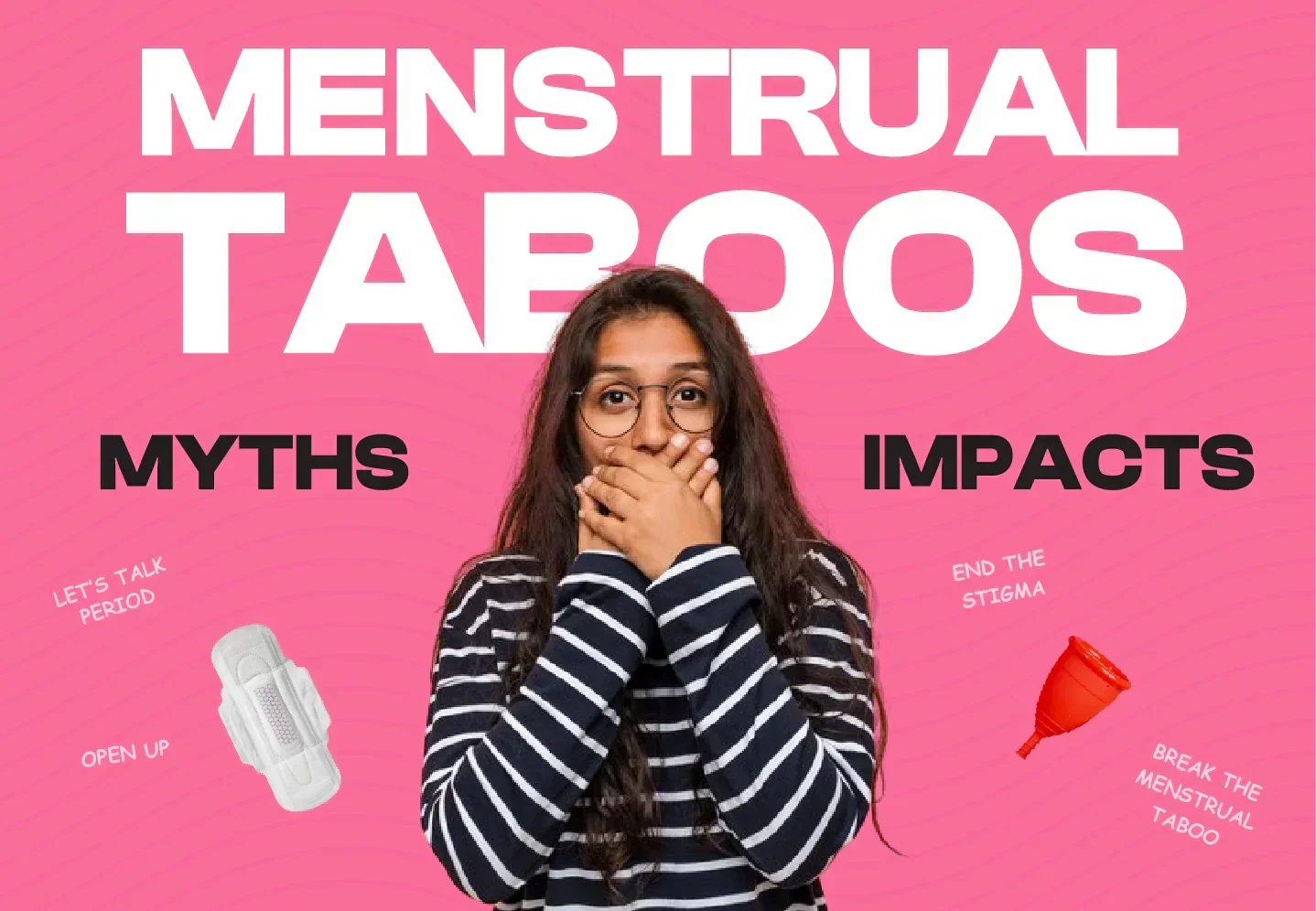
Menstruation, a natural part of every woman's life, remains shrouded in stigma across India. From rural villages to urban homes, taboos label periods as "impure," forcing millions into silence and isolation. This blog explores these deep-rooted menstrual taboos in India, their harmful effects, and simple steps toward change. If you're new to this topic, don't worry, we'll break it down plainly, like chatting over tea.
The Roots of Menstrual Taboos
In Indian culture, myths trace back to ancient Vedic stories, where menstruation is seen as a "curse" of impurity. Women are often barred from kitchens, temples, and even touching family members during their cycle. In some homes, girls can't enter the puja room or cook, fearing they "spoil" food like pickles. Rural areas amplify this: menstruating women might sleep separately or avoid bathing to not "pollute" water sources. These beliefs aren't just old tales; they stem from a lack of open talk. A UNICEF study shows 71% of girls learn about periods only after their first one, sparking fear and confusion.
Real-Life Impacts on Women and Girls
These taboos hit hard. Health-wise, poor hygiene from using rags, ashes, or leaves instead of pads leads to infections, 70% of reproductive diseases in India link to this. Only 36% of 355 million menstruating women use sanitary napkins; the rest risk cervical cancer and urinary issues. Schools suffer too: 23 million girls drop out yearly post-menarche, missing classes due to no toilets or shame from stains. Emotionally, it's tougher. The hidden pain of cramps, bloating, and mood swings often blends into post-menstrual blues, a lingering low mood after bleeding stops, worsened by secrecy and judgment. Families whisper about "monthly problems," wrapping pads in black bags like secrets, leaving girls feeling alone and ashamed.
Breaking the Silence: Hope on the Horizon
Change is brewing. Initiatives like Ujaas distribute free pads to over 120,000 girls, running school sessions to bust myths. The government's 2018 tax cut on sanitary products made them cheaper, while films like Padman and Period. End of Sentence. spark nationwide chats. NGOs train boys to support sisters, and social media lets women share stories, though trolls persist. Experts urge simple starts: talk openly at home, teach hygiene in schools, and build more girl-friendly toilets.
Menstrual taboos in India aren't unbreakable; they're habits we can unlearn. By normalising periods as healthy biology, not shame, we empower girls to chase dreams without fear. Let's chat about it: Have you faced these myths? Share below. Together, we end the stigma.
Take a Step Toward Healthier. Shame-Free Periods
Breaking menstrual taboos starts with better conversations and better choices. If you’re looking for period care that prioritises comfort, care, and confidence, explore ZOY’s range of Graphene, Herbal, and advanced sanitary products designed for Indian women.
Discover ZOY, Choose comfort, Choose care, Choose confidence.
Because periods are natural, caring for them should be too.


