
Puberty in Girls: Signs, Stages, and What to Expect?
Ever wondered, "What is puberty in girls?" It's the body's natural shift from childhood to adulthood, triggered by hormones like estrogen, leading to physical and emotional maturity. Typically kicking off between ages 8 and 13, puberty, often referred to as the "puberty function", prepares girls for reproduction. In a simple sentence, puberty is the developmental phase where sexual maturation emerges. Is puberty over by 14? For most, yes, but timelines vary; the normal age for puberty falls in that 8-13 window, with some starting earlier or later.
Understanding Puberty in Girls
Early Physical Signs of Puberty
What are the first signs of puberty in a girl? Look for breast development, or thelarche, starting as small, tender buds under the nipples around age 10. Other early clues include a rapid growth spurt (up to 3-4 inches per year), pubic and underarm hair, and sometimes vaginal discharge.
Detecting Puberty in Your Daughter
How do I know if my daughter is hitting puberty? To spot puberty in your daughter with signs like breast budding (ages 8-13), growth spurts, pubic/underarm hair, acne, and her first period (~age 12). Watch for mood swings peaking at 11-12. Support her with talks, hygiene, and Zoy’s Puberty Kit for comfort. Consult a doctor if changes start before 8 or miss by 13.
Emotional Changes During Puberty
On the emotional front, what are the first signs of puberty in a girl emotionally? Hormonal surges spark mood swings, from irritability to sudden tears. Do girls get emotional during puberty? Absolutely—when do mood swings start in girls? As early as age 9.
When Emotions Peak
At what age do girls have feelings? Puberty amplifies emotions, peaking around 11-12 when it hits hardest for girls. At what phase do girls get emotional? Often, during mid-stages, blending excitement with confusion.
Breaking Down the 5 Stages of Puberty
What are the 5 stages of puberty in a girl? Using the Tanner scale, here's the roadmap:
- Stage 1 (Pre-puberty, ages 8-11): No visible changes; hormones quietly ramp up.
- Stage 2 (Ages 8-13): Breast buds appear, pubic hair starts fine and sparse; growth accelerates.
- Stage 3 (Ages 9-14): Breasts enlarge, pubic hair thickens. Height surges and body curves form.
- Stage 4 (Ages 10-15): Breasts round out, periods begin—often the biggest change of puberty in a girl.
- Stage 5 (Ages 12-18): Full maturity with regular cycles and adult body shape.
Facing Puberty Fears
Puberty fears are real—worries about leaks, pain, or feeling "different" can overwhelm any young girl. Check out this YouTube Short video for insights on how treating first-time puberty kids differently can harm their self-confidence, emphasising the need for support and normalcy during this phase.
A Young Girl's Concerns: Guidance for Parents
As a parent, helping your daughter through puberty can make her feel less worried. Here are easy, practical tips to tackle her biggest concerns:
- Does Puberty Hurt for a Girl? Let her know it’s normal to feel some aches, like cramps or sore breasts. Try a warm towel or prescribed kid-safe pain medicine, and see a doctor if it gets too bad.
- When Does Puberty Hit the Hardest for Girls? Tell her that around ages 11-12 (stage 3), she might feel moody or alone sometimes. Chat with her often to keep her feeling loved and understood.
- How to Talk About Puberty? Start a relaxed conversation—maybe over ice cream or a walk, and just listen. Make it clear that her changes are normal to help her feel good about herself.
- What to Do About Physical Changes? Show her how to stay clean with daily showers and pick comfy clothes for tender spots. Keep supplies like pads handy for leaks or cramps.
- When to Seek Help? If she’s super upset or in a lot of pain, take her to a doctor for some extra advice tailored to her.
Common Physical Discomforts
Do girls' breasts hurt during puberty? Yes, tenderness is typical, adding to the discomfort.
Choosing the Right Products
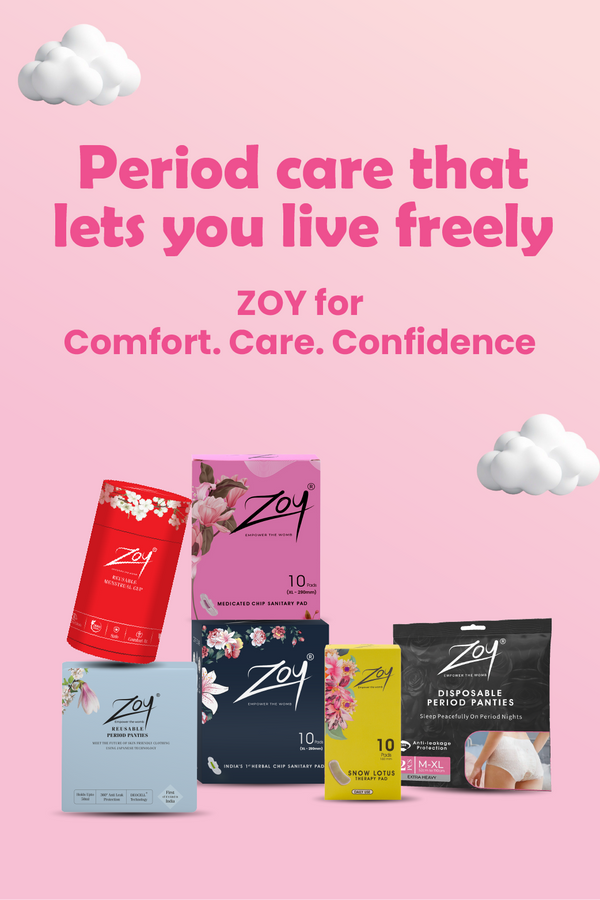
Preparation can turn fears into confidence. Basic cotton sanitary pads or menstrual underwear are a good start, but puberty kits prepared specially for their first period provide more specialised care. The Zoy’s Puberty Kit comes with graphene sanitary pads offering rash-free, allergy-free protection with antibacterial benefits; herbal sanitary pads with natural ingredients to ease period pain; and disposable period panties designed for heavy flows and all-day security. Are disposable period panties best for beginners? Yes, their simple pull-on style and built-in absorbency suit young girls just starting out.
Why These Products Work
How do they support and give comfort? Graphene absorbs instantly to banish stain worries, while herbs soothe cramps and inflammation, making cycles feel natural.
Take Action Today
Ready to support her journey? Equip her with these products today for worry-free empowerment. Always consult a doctor for personalised advice. What is the most painful part of puberty? It differs, but the most painful part of puberty is? It varies for each girl. Some might feel strong cramps during periods, others might notice sore breasts or growing pains. The discomfort depends on her body, but using the right products like pads or panties can make it much more bearable and less stressful.
More Than Just Period Talk
Subscribe to Zoycare’s blogs for menstrual health, self-care, and wellness insights every month.